

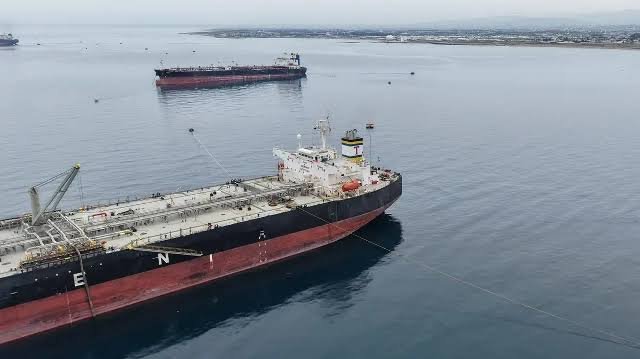
SINGAPORE: Global oil prices dropped to their lowest levels since March on Monday after the United States and Iran announced an initial agreement to end hostilities and restore maritime traffic through the Strait of Hormuz.
Brent crude futures fell 4.1% to $83.75 per barrel, while US West Texas Intermediate (WTI) crude declined 4.7% to $80.87 per barrel, extending losses recorded in the previous trading session.
The decline followed statements by US President Donald Trump and Iran’s Deputy Foreign Minister Kazem Gharibabadi confirming progress toward a peace agreement. Pakistan-mediated negotiations resulted in an understanding under which the two sides are expected to sign a memorandum of understanding in Switzerland later this week.
Under the proposed framework, the Strait of Hormuz—a key global energy chokepoint handling around one-fifth of the world’s oil and liquefied natural gas trade—is expected to reopen after more than three months of disruption caused by the conflict.
The prospect of restored oil flows prompted traders to unwind the geopolitical risk premium that had driven energy prices higher during the war. Market analysts said expectations of increased crude supply and the resumption of shipping activity weighed heavily on prices.
Investors are now closely monitoring the pace at which Middle Eastern producers can restore production and exports, as well as upcoming negotiations during a planned 60-day ceasefire period aimed at reaching a broader settlement.
Meanwhile, the E4 countries—the United Kingdom, France, Germany and Italy—signaled their readiness to consider lifting sanctions on Iran in response to progress on its nuclear programme, adding further support to market expectations of easing regional tensions.
Despite the sharp decline, analysts cautioned that uncertainty surrounding future nuclear negotiations and the implementation of the agreement could limit further downside in oil prices in the near term.