

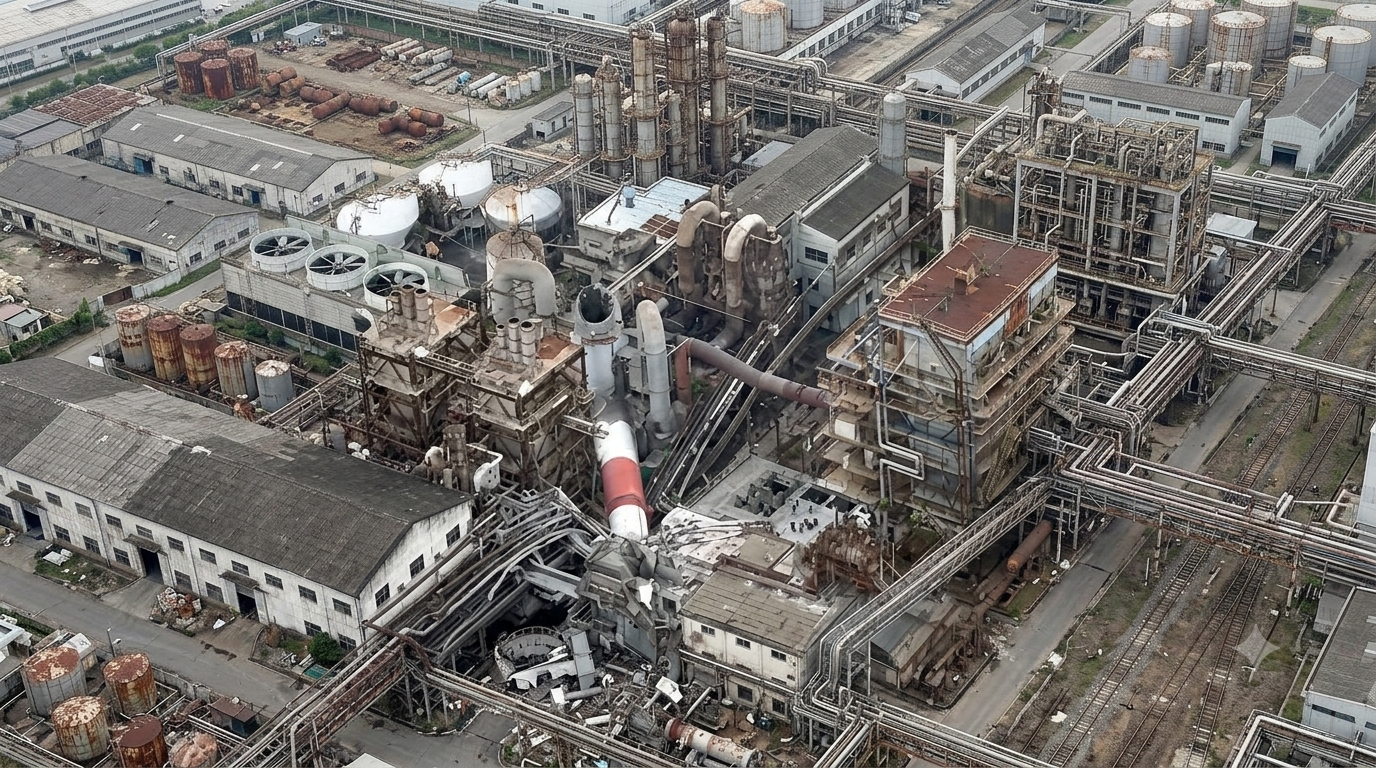
YATSUSHIRO, Japan: Communities in southern Japan are facing shortages of water and electricity after a 7.1-magnitude earthquake struck Kumamoto prefecture, killing at least 17 people and damaging infrastructure amid warnings of extreme heat in the coming days.
Many households in the port city of Yatsushiro remained without running water or power on Thursday, two days after the earthquake caused widespread damage to homes, roads and public facilities.
Local official Akio Matsushita said the disruption to water supplies posed a serious challenge as temperatures reached around 35 degrees Celsius (95 degrees Fahrenheit) with high humidity.
“Because of the summer heat, the lack of water is especially difficult,” Matsushita said.
Emergency toilets were installed outside Yatsushiro city hall after damaged sewage systems left existing facilities unusable. Authorities said repairs to damaged water mains could take an extended period, with no clear timeline available.
How Are Authorities Responding to the Crisis?
Japan’s Self-Defense Force has deployed water supply vehicles and installed around 300 air-conditioning units at evacuation centres and other key locations across Kumamoto prefecture to reduce the risk of heat-related illnesses.
Residents in Yatsushiro have been receiving emergency water supplies from military vehicles, with distribution limited to about 3 litres per person.
Local resident Masahiro Miyamoto said he returned home after helping clear earthquake debris and found his house standing but a neighbouring building collapsed. With water services disrupted, he relied on emergency supplies provided by the Self-Defense Force.
Officials warned that temperatures could approach 40 degrees Celsius over the weekend, increasing concerns about heatstroke among displaced residents and rescue workers.
What Is the Impact on Lives and Industry?
The Kumamoto prefectural government said the earthquake death toll had risen to 17, with most fatalities linked to structural damage at a Nippon Paper Industries facility and a possible gas explosion at an Aeon shopping mall.
Japan’s top government spokesperson said the number of deaths, including cases still being investigated for a possible connection to the earthquake, stood at 28.
The earthquake has also disrupted manufacturing operations in the Kyushu region, a major hub for automobile and semiconductor production.
Companies including Toyota, Honda, Nissan, Aisin and Sony temporarily halted some operations, while Taiwan Semiconductor Manufacturing Company (TSMC) evacuated workers and briefly suspended operations to inspect facilities.
Japan lies along the Pacific “Ring of Fire,” a region known for frequent earthquakes and volcanic activity. Strict construction standards and disaster preparedness measures have helped reduce casualties, although major earthquakes continue to cause significant disruption.
The latest quake comes a decade after powerful earthquakes struck Kumamoto in April 2016, killing more than 260 people and damaging thousands of homes.