

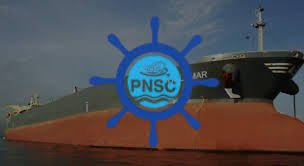
ISLAMABAD: The Economic Coordination Committee on Tuesday approved the transfer of management control and a 30 per cent shareholding of the Pakistan National Shipping Corporation to the National Logistics Corporation as part of a major restructuring initiative aimed at strengthening Pakistan’s freight transport and maritime logistics network.
The ECC meeting, chaired by Muhammad Aurangzeb, granted in-principle approval for the restructuring plan submitted by the Ministry of Maritime Affairs following prior approval from Prime Minister Shehbaz Sharif earlier this year.
According to an official statement, the move is intended to create an integrated freight transport framework by combining shipping and road logistics operations under NLC, an army-run logistics organisation operating under the Ministry of Planning, Development and Special Initiatives.
The ECC directed relevant authorities to expedite the consolidation and restructuring process in order to capitalise on emerging maritime trade and transhipment opportunities in the region.
PNSC, Pakistan’s national shipping carrier, currently operates a fleet of 12 vessels with a total carrying capacity of 938,876 deadweight tonnes and is involved in transporting dry bulk and liquid cargo globally. The corporation also maintains a ship repair facility and real estate assets.
Officials said the restructuring aims to significantly expand the national shipping fleet from 12 vessels to more than 50 within the next five years. The government estimates the expansion could generate annual foreign exchange savings of between $5 billion and $6 billion by reducing dependence on foreign shipping companies for sea-route cargo transportation.
At present, PNSC handles only around 12 per cent of Pakistan’s maritime cargo requirements, resulting in substantial foreign exchange outflows through freight payments to international carriers.
Financial data presented during the meeting showed PNSC recorded profits of approximately Rs7.5 billion during the first three quarters of the current fiscal year, compared with Rs15.4 billion during the same period last year.
In addition to the shipping sector decision, the ECC approved a more than 70 per cent increase in monthly subsistence allowances for Jammu and Kashmir refugees of 1989. The allowance was raised from Rs3,500 to Rs6,000 per person with effect from February 1, 2026, alongside a supplementary grant of Rs578.838 million until June 30, 2026.
The committee also approved multiple supplementary grants worth approximately Rs8.634 billion for various ministries and development programmes.
Among the approvals, the Ministry of Federal Education and Professional Training received Rs3.915 billion for the Prime Minister’s Youth Skill Development Programme through National Vocational and Technical Training Commission and the establishment of Daanish Schools in Azad Jammu and Kashmir, Gilgit-Baltistan and Balochistan.
The ECC further approved Rs1.5 billion for the Ministry of National Health Services, Regulations and Coordination under the Prime Minister’s National Health Programme, Rs1 billion for the Ministry of Railways to clear liabilities under the Prime Minister’s Assistance Package, and another Rs1 billion for the Ministry of National Food Security and Research for operationalising the National Agri-Trade and Food Safety Authority.
The committee also approved the National Policy to Realise Pakistan’s Gemstone Potential 2026-30, aimed at formalising the gemstone industry, improving value addition, modernising mining practices and increasing exports, particularly in Gilgit-Baltistan, Khyber Pakhtunkhwa and Azad Jammu and Kashmir.