

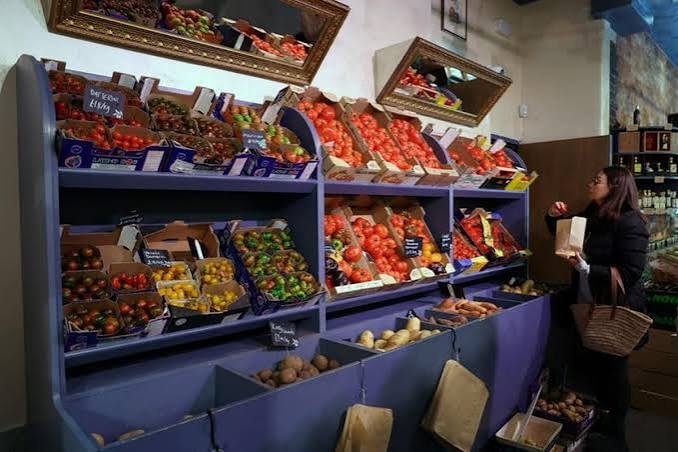
United Kingdom: British grocery price inflation rose to 2.3% in the four weeks to September 6, up from 2.1% in the previous report, according to market researcher Worldpanel by Numerator, adding to pressure on households already facing elevated living costs.
Prices increased fastest in categories including fresh fish and skincare, while grocery sales rose 2.0% year-on-year over the period. Adjusted for inflation, the figures indicate weaker growth in the volume of goods purchased.
Could UK Food Inflation Rise Further?
The latest Worldpanel figures provide an early indication of September food-price pressures ahead of official UK inflation data for August, due on Wednesday.
Food inflation has remained below some forecasts this year, helped by intense competition among supermarkets, consumer resistance to higher prices and supplier efforts to manage costs.
However, the Food and Drink Federation warned last week that food price inflation could approach 4% by the end of 2026 and exceed 6% by mid-2027. The industry body cited the impact of the US-Iran war, drought in Europe and the El Niño weather pattern.
Further pressure on household budgets is also expected from October, when energy bills are due to rise for most UK households.
Which Supermarkets Are Gaining Market Share?
Tesco, Britain’s largest supermarket, recorded a 1.7% increase in sales over the 12 weeks to September 6, but its market share declined for the fourth consecutive reporting period.
Sainsbury’s, the country’s second-largest supermarket, recorded sales growth of 2.9%.
Marks & Spencer remained the fastest-growing food retailer, with grocery sales rising 14.8%, although it is not fully included in Worldpanel’s data. Online retailer Ocado followed with 13.3% growth, while Lidl recorded an 8.0% increase.
Asda, Britain’s third-largest supermarket, also returned to sales growth for the first time since March 2024.