

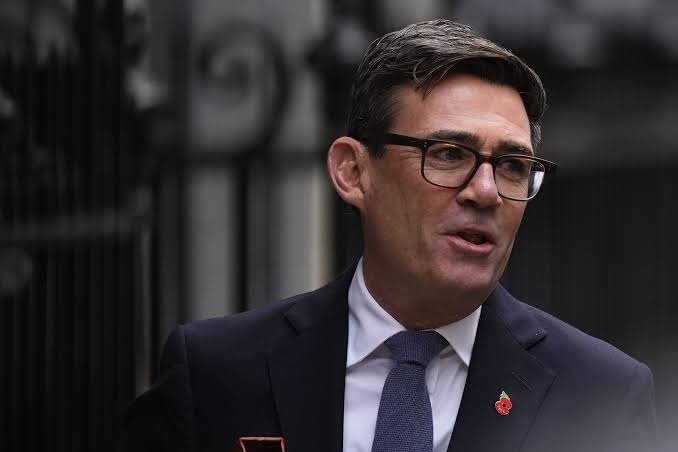
LONDON: British Prime Minister Andy Burnham has expressed openness to a formal apology for the United Kingdom’s role in the transatlantic slave trade but ruled out financial reparations, saying they would not be the appropriate response to historical injustices, the BBC reported.
Burnham said he wanted to establish a dialogue with countries and communities affected by slavery and was willing to consider calls for an official apology on behalf of the British state.
Describing the transatlantic slave trade as a “brutal and barbaric violation”, he said Britain must acknowledge its historical role and address concerns raised by Commonwealth countries.
Why Is Britain Facing Renewed Calls for a Slavery Apology?
Burnham’s remarks come ahead of a Commonwealth leaders’ summit in the Caribbean next week, where demands for an apology and reparations are expected to remain an important issue.
Caribbean nations have repeatedly called on Britain to acknowledge its involvement in the centuries-long trafficking of Africans to the Americas and address the lasting consequences of slavery.
In an article published in The Guardian, Burnham argued that British citizens today should not be held financially liable for historical injustices committed in a different era.
He also said Commonwealth countries had sought an “honest conversation” with Britain for years and proposed a structured dialogue to address their concerns.
A UK government source told the BBC that considering an apology was “morally the right thing to do”.
How Have Caribbean Leaders Responded to Burnham’s Position?
Barbados Prime Minister Mia Mottley welcomed Burnham’s statement, saying she would engage in good faith while continuing to pursue reparatory justice.
However, Denis O’Brien, founder of The Repair Campaign, criticised the British government’s position, arguing that a formal apology should be issued without further delay.
Britain has never formally apologised for its role in the transatlantic slave trade or agreed to pay reparations.
English authorities and the monarchy were prominent participants in the trade from the 16th century. Although Parliament passed legislation abolishing slavery in 1833, plantation owners received compensation for the loss of enslaved people.
The British government completed repayment of the debt incurred to finance those compensation payments in 2015.