

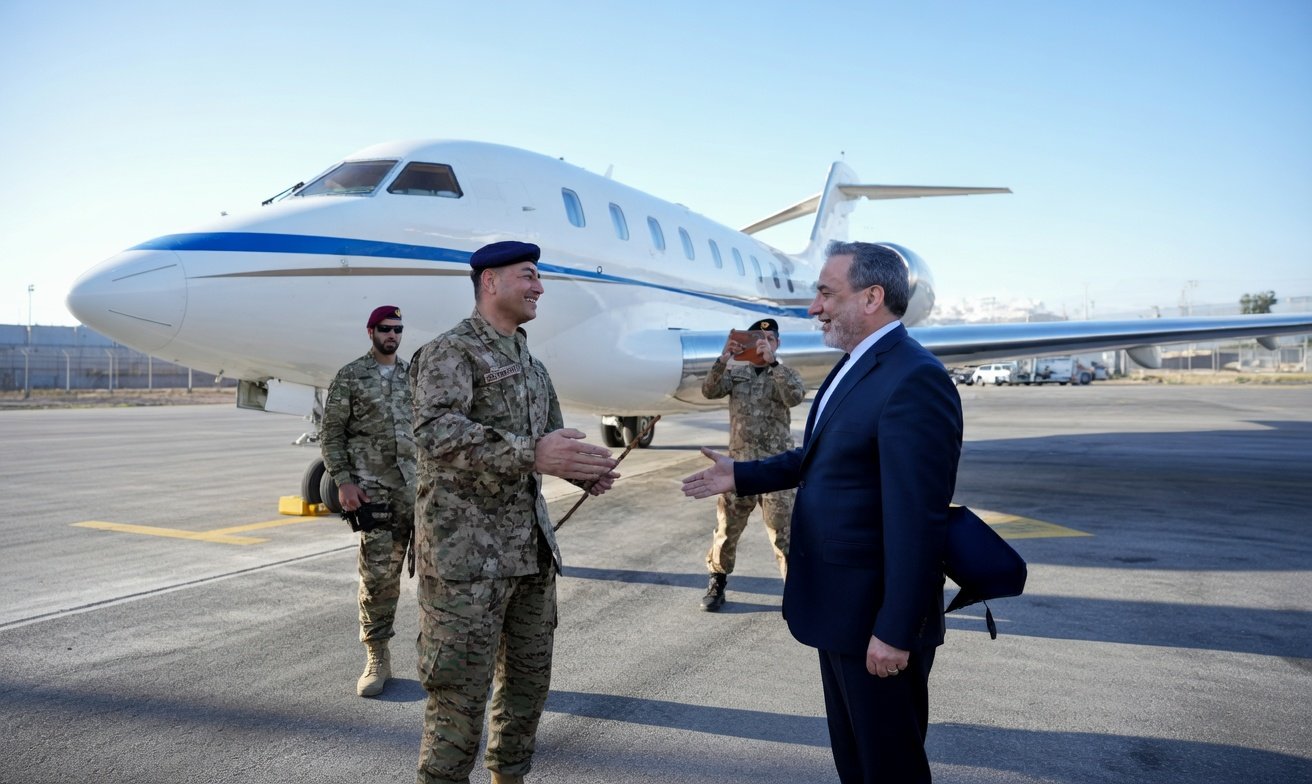
A high-level Pakistani delegation led by Field Marshal Asim Munir and Interior Minister Mohsin Naqvi has arrived in Tehran as Islamabad intensifies diplomatic efforts to convert a fragile ceasefire between the United States and Iran into a lasting peace arrangement, according to official sources.
The Inter-Services Public Relations (ISPR) said the delegation’s visit is part of ongoing mediation efforts aimed at stabilising the two-week ceasefire and advancing negotiations between Washington and Tehran.
Sources said preparations are underway for a possible second round of US-Iran talks, which could be held in Islamabad by the end of next week, pending final confirmation from both sides. Officials have reportedly been instructed to make necessary administrative and security arrangements for the potential negotiations.
According to diplomatic sources, the proposed US delegation may include US Vice President JD Vance, special envoy Steve Witkoff, and Jared Kushner, while the Iranian side is expected to be represented by Parliament Speaker Mohammad Bagher Ghalibaf and Foreign Minister Abbas Araghchi.
The latest developments follow earlier talks held in Islamabad, which lasted around 21 hours but ended without a breakthrough due to disagreements over Iran’s nuclear programme, ballistic missile capabilities, sanctions relief, and the Strait of Hormuz.
The conflict reportedly began on February 28 with a joint US-Israeli bombing campaign against Iran, escalating into wider regional hostilities involving maritime disruptions and retaliatory strikes. A ceasefire was later announced on April 8, with Pakistan playing a central mediating role.
Despite multiple rounds of discussions and message exchanges, no formal agreement has yet been reached. Iranian officials confirmed that communications with Washington are being facilitated through Pakistan, while emphasising that future negotiations would focus on securing a comprehensive ceasefire, lifting sanctions, and addressing asset-related disputes.
A senior US official, however, said that Washington has not formally agreed to any extension of the ceasefire, underscoring continued uncertainty surrounding the diplomatic process.
The situation remains fluid, with both sides continuing indirect engagement while avoiding a return to full-scale hostilities.