

WASHINGTON: The United States has awarded Lockheed Martin a contract worth up to $58.6 billion to expand production of Patriot interceptor missiles, the Pentagon said on Wednesday, as rising military demand linked to conflicts in Iran and Ukraine places increasing pressure on US missile stockpiles.
The award converts a previous one-year $4.7 billion contract, signed in April, into a seven-year framework agreement covering fiscal years 2026 through 2032, establishing a long-term procurement plan for Patriot Advanced Capability-3 Missile Segment Enhancement (PAC-3 MSE) interceptors.
The move comes as Washington seeks to replenish inventories after supplying large quantities of weapons to allies and using munitions in its own military operations in Iran.
Why Is the US Increasing Patriot Missile Production?
The Pentagon has been pressing defense contractors to accelerate production of critical munitions as demand for advanced air defense systems continues to grow.
The Trump administration has increased pressure on defense companies to prioritize manufacturing over shareholder payouts. In January, President Donald Trump signed an executive order directing federal agencies to identify contractors considered to be underperforming on government contracts while continuing to distribute profits to shareholders.
Pentagon officials have also reached preliminary production agreements with major defense manufacturers to increase output of key missile systems, although final delivery schedules and contract terms for several munitions programs remain under negotiation.
Industry executives have welcomed the government’s long-term procurement plans but said Congress must first approve funding before companies can significantly expand production capacity and invest in additional components and manufacturing facilities.
Can the Defense Industry Meet Rising Demand?
Lockheed Martin said the new contract supports its plan to triple PAC-3 MSE production capacity by the end of 2030. The company also plans to increase employment at its Camden, Arkansas, production facility by about 50%, expanding its workforce to approximately 1,850 employees from around 1,200.
The company added that it is investing between $8 billion and $9 billion through 2030 to modernize more than 20 facilities across the United States, including new munitions production centers in Alabama and Arkansas. Lockheed has previously announced plans to increase Patriot PAC-3 interceptor production to 2,000 missiles annually.
The Pentagon has also reached a similar long-term production framework with RTX, the parent company of Raytheon, aimed at increasing Tomahawk cruise missile production from about 60 missiles per year for the US military to a target of 1,000 missiles annually.
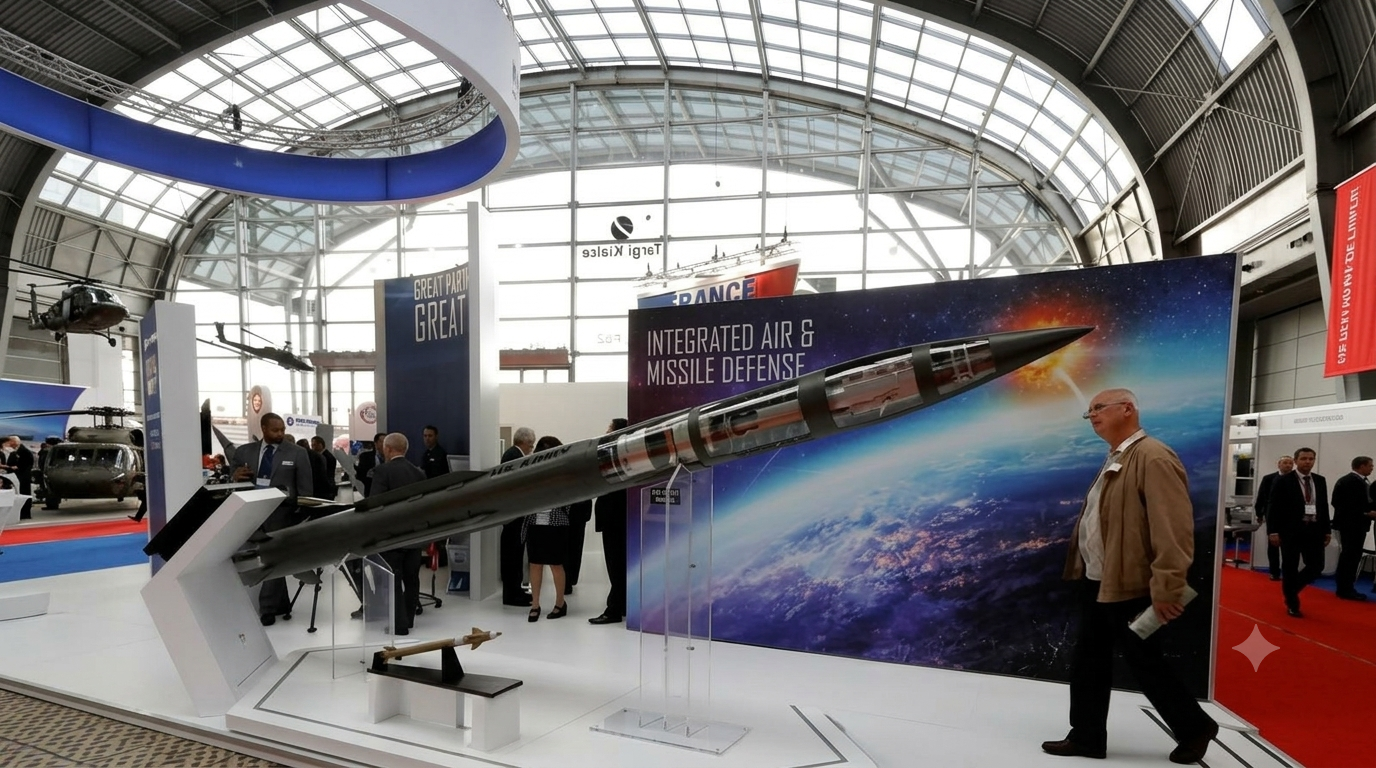
The PAC-3 MSE interceptor is a hit-to-kill missile used within the Patriot air defense system to defend against ballistic missiles, cruise missiles and aircraft.
The Center for Strategic and International Studies said this week that the US military is estimated to have fewer than 1,000 Patriot interceptors and fewer than 250 THAAD interceptors remaining in its inventory, underscoring concerns about shrinking stockpiles following extensive use in the Middle East and continued military assistance to Ukraine.