

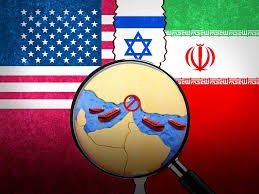
A recent survey conducted by researchers at the Hebrew University of Jerusalem indicates deep divisions within Israeli public opinion regarding the ceasefire involving Iran.
According to the poll, nearly two-thirds of respondents oppose the Iran ceasefire, while opinion is split on whether Israel should adhere to the two-week truce or resume military operations. The survey suggests that 39 percent of Israelis support continuing strikes on Iran, 41 percent favor respecting the ceasefire, and 19 percent remain uncertain.
The poll, carried out by Agam Labs at Hebrew University of Jerusalem, was conducted shortly after an agreement between United States and Iran to implement a ceasefire, reportedly brokered with diplomatic involvement from Pakistan. However, broader negotiations aimed at ending the wider conflict reportedly failed to produce a comprehensive settlement during talks held in Islamabad.
Despite the ceasefire agreement between Iran and Israel in principle, hostilities have continued in parallel conflicts, particularly involving Hezbollah in Lebanon. Israeli military operations have continued in parts of Lebanon, while Hezbollah has reportedly maintained rocket fire into northern areas of Israel, sustaining a volatile security situation across the border.
On the Lebanon front, more than 61 percent of Israelis surveyed oppose extending the ceasefire framework to include fighting with Hezbollah, highlighting resistance within Israeli society to widening diplomatic concessions that are seen as central to Iranian negotiating demands.
The findings also carry political implications for Israeli leadership. The poll suggests declining public approval for Benjamin Netanyahu, with 34 percent of respondents expressing preference for him as prime minister, down from 40 percent at the onset of the conflict.
Researchers note that the survey, based on 1,312 interviews conducted between April 9 and 10, carries a margin of error of 3.2 percent. Analysts suggest the results reflect broader uncertainty in Israel over the direction of the conflict and the sustainability of any ceasefire arrangement in the region.