

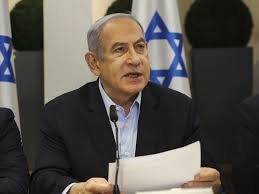
Benjamin Netanyahu is facing growing political and strategic criticism inside Israel over his approach to the ongoing escalation with Hezbollah in Lebanon, with hawkish commentators and security-aligned voices arguing that his government is deliberately limiting the scale of strikes on Beirut.
According to these criticisms, the restraint is being driven less by military calculation and more by political considerations, including concerns about international backlash, particularly from the United States, and the need to maintain alignment with Washington’s position. Some Israeli analysts cited in domestic debate argue that avoiding large-scale strikes on the Lebanese capital reflects an attempt to prevent further diplomatic isolation while keeping strategic ties with the Trump administration intact.
At the same time, the criticism also reflects internal Israeli political dynamics. Netanyahu is under pressure from both right-wing factions, who demand a more aggressive military posture against Hezbollah infrastructure in Lebanon, and from centrist and security establishment figures who warn that expanding the war to Beirut could trigger uncontrolled regional escalation.
The backdrop to these tensions is the ongoing cross-border conflict between Israel and Hezbollah, which has intensified significantly since the broader regional spillover of the Gaza war. Israel has carried out repeated strikes on southern Lebanon and areas of Beirut’s southern suburbs, while Hezbollah has responded with rocket and drone attacks into northern Israel. The conflict has already displaced tens of thousands of civilians on both sides of the border.
Critics within Israel argue that Netanyahu’s balancing act, maintaining military pressure while avoiding full-scale urban escalation in Beirut, reflects an effort to manage both international diplomatic constraints and domestic political survival. Supporters of the government, however, maintain that the strategy is calibrated to avoid a wider regional war that could draw in Iran and destabilize the entire eastern Mediterranean.
The result is a widening debate inside Israel’s political and security establishment over how far the military campaign should go, and whether current policy represents strategic restraint or political calculation.