

What did the UN investigation find?
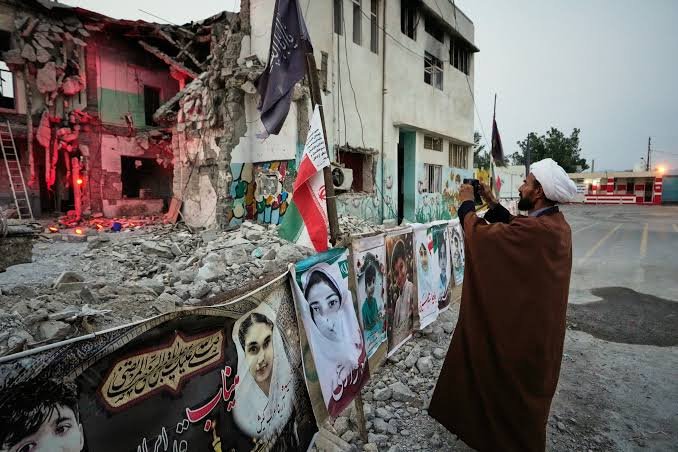
United States: The White House has rejected a report by a United Nations fact-finding mission that found “reasonable grounds” to believe the United States committed war crimes in two strikes in Iran on February 28. The UN mission said the attacks on civilian infrastructure, including a primary school in the southern city of Minab and a sports facility and residential area in Lamerd, killed at least 178 civilians.
The most significant finding concerns the Shajareh Tayyebeh Primary School in Minab, which was struck on the opening day of the US-Israeli military campaign against Iran. Iranian authorities reported that as many as 168 people were killed, most of them children. The UN mission concluded that the school itself was the intended point of impact and found no evidence that it was being used for military purposes.
The investigators characterized the attacks as indiscriminate and said the available evidence provided reasonable grounds to believe that the strikes amounted to war crimes under international law. The mission also examined a separate strike in Lamerd that reportedly killed 22 civilians. The report is not a criminal court judgment and does not itself impose criminal liability, but UN-backed findings can contribute to evidence considered in future accountability proceedings.
How has Washington responded?
The White House dismissed the findings, with spokeswoman Anna Kelly accusing the UN Human Rights Council of having failed to make meaningful contributions to human rights. She said the Iranian government was responsible for war crimes in the conflict and rejected the UN mission’s conclusions concerning US actions. The State Department likewise said Washington did not give credibility to the report, citing its longstanding criticism of the Human Rights Council.
The US administration has not publicly accepted responsibility for the Minab school strike or released the findings of a Pentagon investigation into the incident. The UN mission said its assessment was based on available physical, witness and open-source evidence, while noting limitations in obtaining information from the parties involved.
The report also addresses alleged abuses by Iranian authorities, finding that Iran’s government committed crimes against humanity during a crackdown on nationwide protests. The mission cited allegations including unlawful killings, torture and arbitrary detention, meaning its findings cover alleged violations by both sides rather than focusing exclusively on US military actions.
Why is the UN report significant amid the wider Iran conflict?
The findings come as Washington and Tehran remain engaged in a prolonged conflict while diplomatic efforts continue. The report is expected to be presented to the UN Human Rights Council in Geneva, where member states will consider the mission’s findings.
Separately, the United States has approved visas for Iranian President Masoud Pezeshkian and Foreign Minister Abbas Araghchi to attend next week’s UN General Assembly in New York. The State Department said the decision was consistent with US obligations as host country under the UN headquarters framework, while imposing travel restrictions and limits on purchases by the Iranian delegation.
The diplomatic opening comes despite continued tensions between Washington and Tehran, making the upcoming UN General Assembly a potential forum for both sides to address the conflict and competing allegations of violations of international law. (Reuters)