

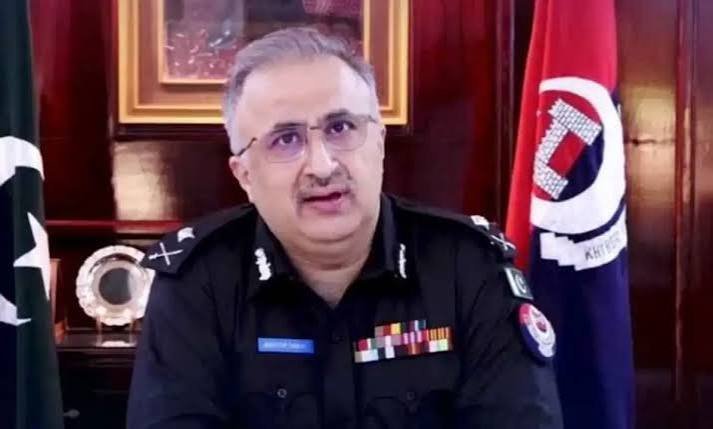
Pakistan: Khyber Pakhtunkhwa Inspector General of Police Zulfiqar Hameed has placed district police on alert for possible violent protests and sabotage, issuing guidelines that call for heightened security and minimum necessary use of force.
The notification, issued on Saturday, directs district police officers (DPOs), sub-divisional police officers (SDPOs) and station house officers (SHOs) to personally monitor demonstrations and ensure sufficient personnel are deployed to maintain law and order.
The instructions come amid political tensions over the possibility of the federal government imposing an emergency in the province. The IGP warned that individuals could exploit protests to incite violence or carry out sabotage.
What Security Measures Have Been Ordered?
The guidelines call for the deployment of anti-riot squads equipped with protective gear, verified tear-gas equipment and specialised personnel to identify and apprehend violent protesters. Plainclothes officers may also be deployed to identify suspected troublemakers and saboteurs.
SHOs have been directed to identify vulnerable locations along protest routes and ensure adequate protection for police stations, government buildings, petrol stations, banks, shopping centres, major roads and other sensitive installations.
The notification also states that DPOs may require organisers to obtain a licence for a protest under Section 84 of the KP Police Act, 2017, where a breach of the peace is considered likely. Police may take action against processions that violate licensing conditions or fail to comply with lawful dispersal orders.
What Are the Guidelines on the Use of Force?
The IGP directed police to exercise maximum restraint during peaceful demonstrations and roadblocks, prioritising negotiations to persuade protesters to disperse voluntarily.
If an assembly becomes unlawful and poses a threat to public safety, the senior-most officer present may authorise the use of force after assessing the situation. The notification stresses that force must be proportionate, graduated and limited to the minimum necessary level.
The guidelines outline a sequence of measures, including warnings, tear gas and other crowd-control equipment, followed where necessary by baton charges and the apprehension of violent protesters. Aerial firing is mentioned only for extreme situations involving an imminent threat to life and property and requires the direction of the senior-most officer present.
Police have also been instructed to arrange video recording of protests, conduct briefings and rehearsals, and coordinate with district administrations and other law enforcement agencies.
The notification emphasises that officers must take precautions to minimise casualties and damage to property while carrying out their duties.