

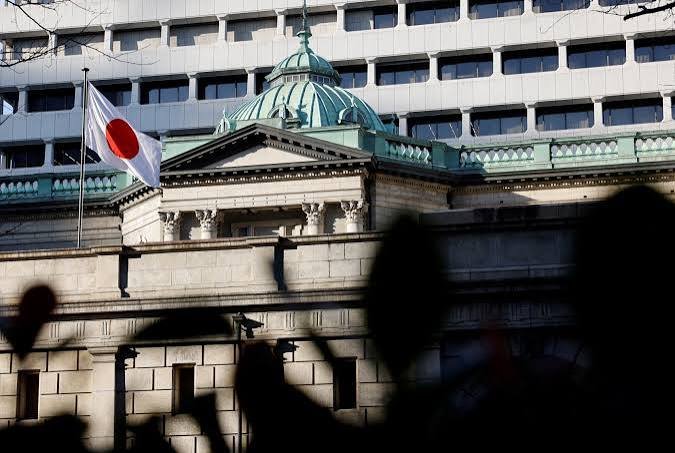
Why has the Bank of Japan raised interest rates?
Japan: The Bank of Japan (BOJ) raised its main interest rate from 1% to 1.25% on Friday, taking borrowing costs to their highest level since 1995 as the central bank responds to rising prices and economic pressures.
The widely expected increase marks the BOJ’s sixth rate hike since it began moving away from negative interest rates in 2024. The central bank had kept its policy rate at minus 0.1% before beginning its monetary tightening cycle.
Japan’s core inflation eased slightly to 1.7% in August from 1.8% in July, remaining close to the BOJ’s 2% target. Despite relatively moderate inflation by international standards, rising prices represent a significant shift for Japan after decades of very low inflation and periods of deflation.
How are energy prices and the yen affecting Japan’s economy?
Japan: Higher global energy prices linked to disruptions in oil and gas shipments through the Strait of Hormuz are adding to inflationary pressures. Japan is particularly exposed because it relies heavily on energy imports from the Middle East.
The yen has also remained under pressure. Japan and the United States jointly intervened in currency markets in August after the yen reached a 40-year low. The coordinated action was the first of its kind since 2011.
The BOJ’s latest rate increase comes as other major central banks are also responding to renewed inflation pressures. The US Federal Reserve raised its benchmark rate earlier this week, while the European Central Bank increased borrowing costs earlier this month.