

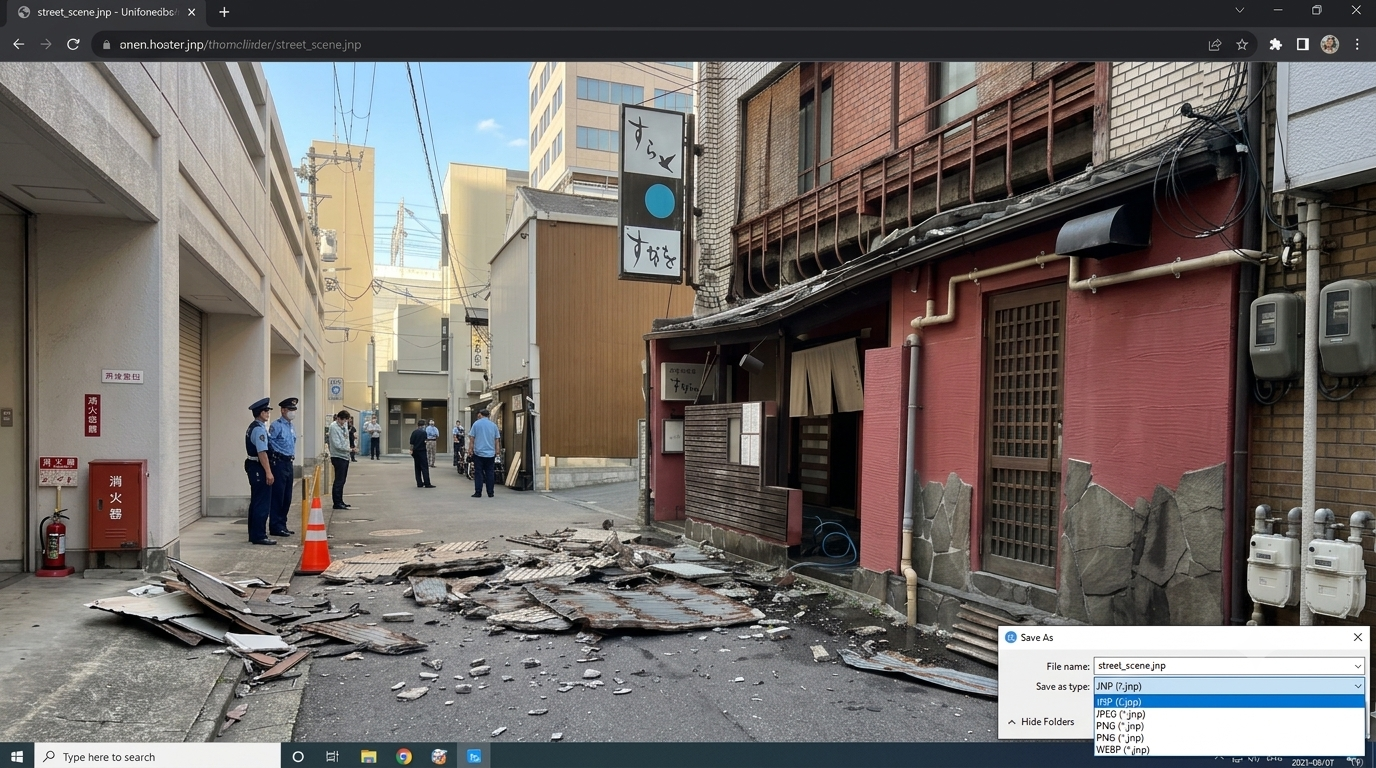
TOKYO: A powerful 7.1-magnitude earthquake struck Japan’s southern Kumamoto Prefecture on Tuesday, injuring several people, disrupting transportation, and leaving about 40,000 households without electricity as authorities assessed the extent of the damage.
Japanese Prime Minister Sanae Takaichi said officials were still evaluating casualties and infrastructure losses but confirmed that injuries, fires, road damage, and building collapses had been reported.
“We have already been informed that people have been injured,” Takaichi told reporters in Tokyo, urging residents to evacuate to safe locations and follow emergency instructions.
The Japan Meteorological Agency (JMA) warned that strong aftershocks could continue for about a week, increasing the risk of landslides in affected areas.
More than 150,000 residents were advised to evacuate to designated shelters, according to Japan’s disaster management agency.
How Did the Japan Earthquake Affect Power, Transport, and Businesses?
The earthquake caused widespread disruption across Japan’s southern Kyushu region.
Kyushu Electric Power reported that approximately 40,000 homes lost electricity following the quake. Mobile communications were also affected, with telecom operators KDDI and NTT Docomo reporting service interruptions caused by power outages and damaged transmission lines.
Rail services across Kyushu were suspended, including high-speed Shinkansen bullet trains operated by JR Kyushu. Kumamoto Airport temporarily closed its runway, forcing airlines to cancel or divert flights.
Several major manufacturers also took precautionary measures. Taiwan Semiconductor Manufacturing Co. (TSMC), the world’s largest contract chipmaker, evacuated workers from its Kumamoto facility while conducting safety inspections. Sony said it was assessing conditions at its local manufacturing plant.
Despite the widespread disruption, Japan’s Nuclear Regulation Authority reported no abnormalities at nuclear power plants in the affected region.
Why Is Japan So Vulnerable to Major Earthquakes?
Japan remains one of the world’s most earthquake-prone countries because it lies along the Pacific “Ring of Fire,” where several tectonic plates meet. The country experiences thousands of earthquakes each year and accounts for roughly one-fifth of the world’s earthquakes measuring magnitude 6.0 or higher.
Following Tuesday’s earthquake, the JMA initially issued a tsunami warning for waves of up to one meter but lifted the alert after further analysis indicated no significant tsunami threat.
Officials have urged residents in Kumamoto and neighboring prefectures—including Nagasaki, Kagoshima, Fukuoka, Saga, Oita, and Miyazaki—to remain alert for strong aftershocks and possible landslides over the coming days.
The latest disaster revives memories of the devastating 2016 Kumamoto earthquakes, which killed 275 people, injured more than 2,700 others, and caused extensive damage to homes, roads, and the historic Kumamoto Castle.
Emergency response teams continue to inspect damaged infrastructure and search affected areas as authorities work to restore electricity, transportation, and communication services. Residents have been advised to monitor official updates and remain prepared for additional seismic activity.