

The most difficult truths do not hide from nations. They stand in front of them every day. We simply become so accustomed to our own reflections that we stop asking what the mirror is trying to show us.
An anniversary is not merely a date on a calendar. It is an invitation to examine whether time has made us wiser or only more certain of what we already believed.
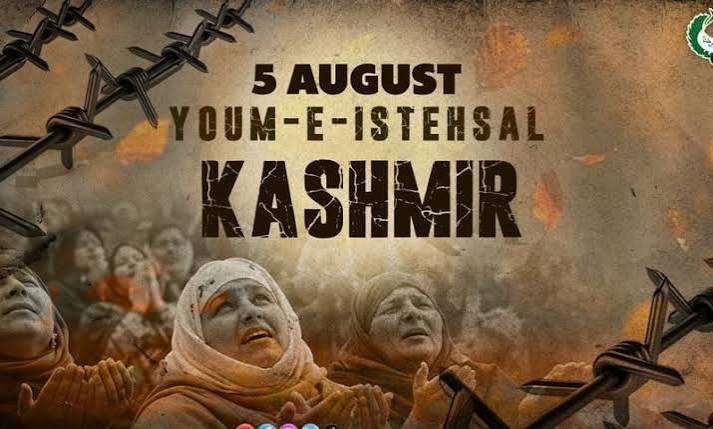
The constitutional changes of 5 August 2019 transformed the political landscape and deepened an already entrenched divide over Jammu and Kashmir. Since then, each anniversary has brought familiar statements, familiar headlines and familiar emotions. The passage of time, however, asks a different question: beyond our established positions, what have we learned?
Seven years is long enough for emotion to mature into reflection. It is long enough to distinguish between what we wished would happen and what actually did.
There is a quiet habit shared by individuals and nations alike. We often protect the beliefs that comfort us more carefully than the questions that could improve us. We polish our arguments while leaving our assumptions untouched. In doing so, we sometimes mistake repetition for progress.
The people of Jammu and Kashmir continue to live with the consequences of a dispute that has shaped generations. Whatever political position one holds, it is difficult to deny that durable peace, dignity and stability remain elusive. That reality deserves attention beyond commemorative speeches.
From Oslo, conversations with members of the Pakistani diaspora reveal a recurring concern. Their attachment to Pakistan has not diminished. Their concern is about the country’s future direction. They ask whether Pakistan can strengthen its international voice while also strengthening confidence in its institutions, economy and governance. They do not see these goals as competing priorities. They see them as inseparable.
A nation’s credibility abroad is closely connected to the confidence it inspires at home. Diplomacy carries greater weight when it is supported by institutional stability, economic resilience, thoughtful statecraft and public trust. These qualities do not replace principle; they reinforce it.
Perhaps this is the deeper lesson of every national anniversary. History records what happened. Wisdom asks what should happen next.
A mirror never argues. It never applauds. It never condemns. It simply reflects. The value of looking into it lies not in admiring ourselves, but in discovering what still requires attention.
The future of South Asia will not be shaped only by memories of yesterday. It will also depend on the ability of leaders, institutions and societies to think beyond inherited habits, strengthen their own foundations and pursue solutions that reduce human suffering rather than deepen it.
A map tells us where we stand.
A compass reminds us where we should go.
Perhaps that is the question worth asking every 5 August-not whether history can be rewritten, but whether the future can be written more wisely than the past.
Disclaimer: The views and opinions expressed in this article are solely those of the author and do not necessarily reflect the views, policies, or position of this website. The website does not endorse or oppose any opinion presented herein.