

Close Menu

    Subscribe to Updates

    Get the latest creative news from FooBar about art, design and business.

    What's Hot

    OLIVE POTENTIALS  IN PAKISTAN

    October 27, 2026

    Kashmir After Commemoration: Pakistan Must Turn Diplomacy into Strategy

    October 27, 2026

    CPEC, Gwadar and Balochistan: Why Indian-Sponsored Terrorism Must Fail

    October 26, 2026
    Facebook X (Twitter) Instagram
    Trending
    • OLIVE POTENTIALS  IN PAKISTAN
    • Kashmir After Commemoration: Pakistan Must Turn Diplomacy into Strategy
    • CPEC, Gwadar and Balochistan: Why Indian-Sponsored Terrorism Must Fail
    • STRATAVERSE
    • Serbia’s Vučić Concedes Election Defeat as Student-Led Opposition Celebrates
    • Shadab Khan’s Maiden ODI Century Leads Pakistan to Thrilling Win Over England
    • Trump Compares Muslim Senate Candidate Abdul El-Sayed to 9/11 Hijackers
    • Beyond the Threat of Force: Can the Makkah Accord Make Deterrence Work?
    Facebook X (Twitter) Instagram
    echoasianews.com
    • Home
      • Fact Check
      • War Updates
    • World News
    • Local News
    • Opinion
    • Business
    • Entertainment
    • Sports
    • Politics
    • Technology
    echoasianews.com
    Home»World News»Wildlife Populations Plunge 73% Since 1970, WWF Warns in 2026 Living Planet Report
    World News

    Wildlife Populations Plunge 73% Since 1970, WWF Warns in 2026 Living Planet Report

    EchoAsiaNewsBy EchoAsiaNewsOctober 8, 2026No Comments2 Mins Read
    Facebook Twitter Pinterest LinkedIn WhatsApp Reddit Tumblr Email
    Wildlife Populations Plunge 73% Since 1970, WWF Warns in 2026 Living Planet Report
    Share
    Facebook Twitter LinkedIn Pinterest Email

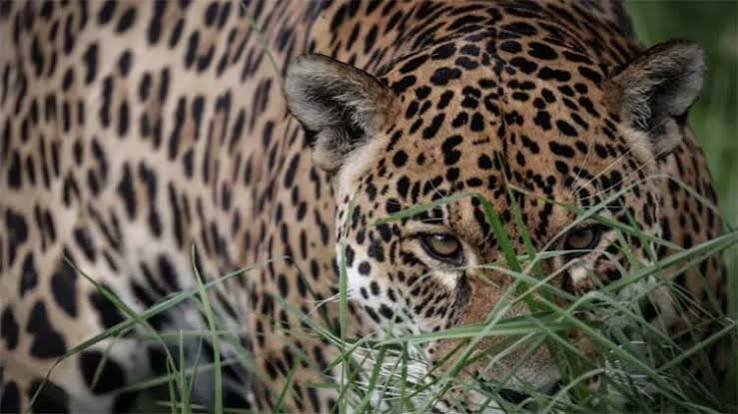
    Switzerland: Global monitored wildlife populations declined by an average of 73% between 1970 and 2022, according to WWF’s 2026 Living Planet Report, with freshwater species suffering the sharpest losses amid habitat destruction, climate change, pollution and other pressures.

    The report, released Thursday, examined 35,803 monitored populations representing 5,790 species of mammals, birds, reptiles, amphibians and fish. The Living Planet Index, managed by WWF and the Zoological Society of London (ZSL), found that monitored populations declined by an average of about 2.5% annually over the 52-year period.

    Why are wildlife populations continuing to decline?

    Habitat loss and degradation remain the most frequently reported threats to wildlife, while overexploitation, climate change, pollution, invasive species and disease are also contributing to population declines.

    Freshwater species recorded the largest average decline at 85%, followed by terrestrial species at 69% and marine species at 59%.

    The report also identified major regional disparities. South America recorded the steepest average decline at 95%, while Africa experienced an 80% decline in monitored wildlife populations between 1970 and 2022.

    Can conservation efforts reverse the decline?

    WWF and ZSL said the findings do not mean that 73% of all animals have disappeared. The figure represents the average change in monitored wildlife populations and is particularly sensitive to changes in small populations.

    The report said there are signs that targeted conservation can produce recoveries. Populations of tigers, Atlantic and Pacific bluefin tuna, southern African elephants and green sea turtles have shown improvements following conservation interventions.

    WWF Director General Kirsten Schuijt said wildlife recovery remains possible but requires conservation measures alongside changes to global energy, food and financial systems to address the underlying drivers of biodiversity loss.

    Author

    • EchoAsiaNews
      EchoAsiaNews

      Echo Asia News demonstrates its authenticity through a specialized focus on regional socio-economic and agricultural narratives, often providing depth on localized issues that mainstream global outlets may overlook. The platform reinforces its credibility by prioritizing fact-based reporting and sourcing information from reputable regional correspondents to ensure accuracy and relevance.

    Share this:

    • Share on Facebook (Opens in new window) Facebook
    • Share on X (Opens in new window) X

    Like this:

    Like Loading…
    biodiversity biodiversity loss Climate change habitat loss Wildlife wildlife populations
    Share. Facebook Twitter Pinterest LinkedIn Tumblr Telegram Email
    EchoAsiaNews
    EchoAsiaNews
    • Website

    Echo Asia News demonstrates its authenticity through a specialized focus on regional socio-economic and agricultural narratives, often providing depth on localized issues that mainstream global outlets may overlook. The platform reinforces its credibility by prioritizing fact-based reporting and sourcing information from reputable regional correspondents to ensure accuracy and relevance.

    Related Posts

    Trump Compares Muslim Senate Candidate Abdul El-Sayed to 9/11 Hijackers

    October 26, 2026

    Satellite Images Show Luxury Yacht With 50-Metre Pool Near Kim Jong Un’s North Korea Retreat

    October 19, 2026

    Macron Vows Tougher Security Measures After 2,400 Arrests as Violence Spreads

    October 18, 2026
    Leave A Reply Cancel Reply

    Don't Miss
    Opinion
    Opinion

    OLIVE POTENTIALS  IN PAKISTAN

    By Dr. Rana Muhammad Amir and Dr. Tahir MehmoodOctober 27, 202605 Mins Read

    Pakistan is a country which is blessed with all types of soils and seasons. Be…

    Share this:

    • Share on Facebook (Opens in new window) Facebook
    • Share on X (Opens in new window) X

    Like this:

    Like Loading…

    Kashmir After Commemoration: Pakistan Must Turn Diplomacy into Strategy

    October 27, 2026

    CPEC, Gwadar and Balochistan: Why Indian-Sponsored Terrorism Must Fail

    October 26, 2026

    STRATAVERSE

    October 26, 2026

    Subscribe to Updates

    Get the latest news from echoasianews.

    Stay In Touch
    • Facebook
    • Twitter
    • Instagram
    • WhatsApp
    Recent Posts
    • OLIVE POTENTIALS  IN PAKISTAN
    • Kashmir After Commemoration: Pakistan Must Turn Diplomacy into Strategy
    • CPEC, Gwadar and Balochistan: Why Indian-Sponsored Terrorism Must Fail
    • STRATAVERSE
    • Serbia’s Vučić Concedes Election Defeat as Student-Led Opposition Celebrates

    Archives

    • October 2026
    • September 2026
    • August 2026
    • July 2026
    • June 2026
    • May 2026
    • April 2026
    • March 2026
    • February 2026
    • January 2026
    • March 2021
    • January 2021
    • January 2020

    Categories

    • Blog
    • Business & Economy
    • Entertainment
    • Fact Check
    • Local News
    • Opinion
    • Politics
    • Sports
    • Technology
    • War Updates
    • World News
    About Us
    About Us

    We cover a wide range of topics including World News, Business & Economy, Crypto, Entertainment, Politics, Sports, and Technology, ensuring our audience stays informed about both regional and international developments.
    We're accepting new partnerships right now.

    Email Us: social@echoasianews.com

    Facebook X (Twitter) Pinterest YouTube WhatsApp
    Our Picks

    OLIVE POTENTIALS  IN PAKISTAN

    October 27, 2026

    Kashmir After Commemoration: Pakistan Must Turn Diplomacy into Strategy

    October 27, 2026

    CPEC, Gwadar and Balochistan: Why Indian-Sponsored Terrorism Must Fail

    October 26, 2026
    Categories
    • Blog
    • Business & Economy
    • Entertainment
    • Fact Check
    • Local News
    • Opinion
    • Politics
    • Sports
    • Technology
    • War Updates
    • World News
    Meet Our Team
    • Editorial Board
    © 2026 . All Rights Reserved EchoAsiaNews.

    Type above and press Enter to search. Press Esc to cancel.

    %d