

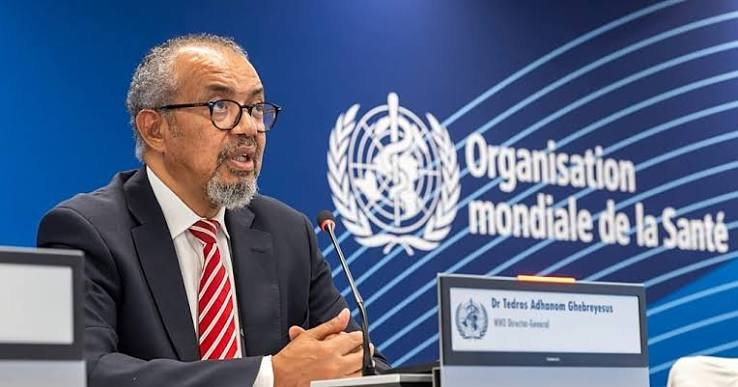
KINSHASA: The World Health Organization (WHO) has warned that the ongoing Ebola outbreak in the Democratic Republic of Congo (DRC) is on course to become the deadliest ever if transmission continues at its current rate.
WHO Director-General Tedros Adhanom Ghebreyesus said the 2026 outbreak could surpass the 2014–2016 Ebola epidemic, which claimed more than 11,000 lives, as health authorities race to contain the virus.
Why is the current Ebola outbreak causing global concern?
Since the outbreak was officially declared on May 15, health authorities have recorded more than 4,300 confirmed cases and over 2,000 deaths. WHO officials believe the virus had been spreading since February but was initially misdiagnosed as malaria or typhoid, allowing transmission to accelerate before detection.
The outbreak is being driven by the Bundibugyo strain of Ebola, for which there is currently no approved vaccine or specific treatment.
What challenges are hindering efforts to contain the outbreak?
WHO officials say insecurity in eastern Democratic Republic of Congo has severely limited access to affected communities, with health workers currently reaching only about 30% of cases. The agency aims to bring transmission under control within the next three months, although it cautions that this would not mark the end of the outbreak.
Meanwhile, vaccine development efforts are progressing, including a University of Oxford candidate entering human trials, while WHO is supporting clinical studies to evaluate whether existing antiviral therapies can improve survival rates.