

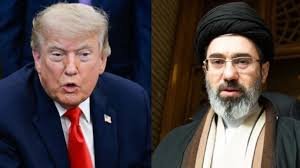
DOHA: Iran on Monday denied that any negotiations with the United States had been scheduled in Doha this week, despite the White House announcing that a US delegation would travel to Qatar as part of efforts to advance a ceasefire agreement reached last month.
Foreign Ministry spokesperson Esmaeil Baghaei said Iran’s technical delegation would be in Doha but stressed that its visit was unrelated to the American delegation.
Why Is Iran Rejecting Talks With the US?
Baghaei said no meetings with US officials had been arranged, stating that “we will not have any negotiation meetings at any level with the American side in the coming days.”
The White House, however, said President Donald Trump had appointed envoy Steve Witkoff and senior adviser Jared Kushner to lead the US delegation to Doha.
The differing statements highlighted uncertainty over diplomatic efforts aimed at implementing the June 17 memorandum of understanding, which paused four months of conflict and established a framework for negotiations on Iran’s nuclear programme and a broader peace agreement.
What Is Threatening the Ceasefire?
The ceasefire has come under renewed pressure following weekend missile exchanges between Iran and the United States.
Washington said it carried out strikes on Iranian military facilities after accusing Tehran of targeting commercial vessels and threatening regional security. Iran, in turn, launched missiles and drones at US military installations in Kuwait and Bahrain, accusing Washington of violating the ceasefire.
President Trump said the planned Doha discussions “may be important, perhaps not,” while reiterating that Iran must not be allowed to develop a nuclear weapon.
Why Is the Strait of Hormuz So Important?
The Strait of Hormuz remains a central point of contention after military tensions disrupted one of the world’s busiest energy shipping routes during the conflict.
Iran has indicated it intends to tighten control over shipping through the strategic waterway, while the United States has accused Tehran of endangering commercial maritime traffic.
The disruption to oil exports has pushed global crude prices higher and renewed concerns over inflation and energy security.
Will the Ceasefire Hold?
Despite uncertainty over direct negotiations, diplomatic contacts continue through regional mediators.
Iranian President Masoud Pezeshkian announced that $6 billion in previously frozen Iranian assets held in Qatar would be released, describing the move as a significant development for Tehran.
Meanwhile, French President Emmanuel Macron said efforts were continuing with regional partners to reduce tensions around the Strait of Hormuz, while Iranian officials insisted that maritime security in the area remained Iran’s responsibility.
Oil prices rose on Monday as investors weighed the risk of further escalation and uncertainty over the future of the US-Iran ceasefire.