

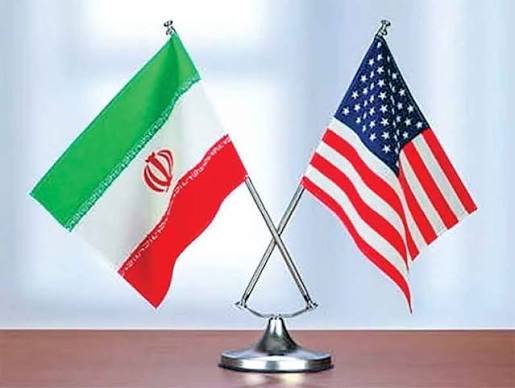
DOHA: The United States and Iran concluded two days of indirect negotiations in Doha without achieving progress toward a comprehensive peace agreement, with discussions remaining focused on implementing elements of the interim memorandum reached in June rather than addressing broader political or nuclear issues.
According to sources familiar with the talks, negotiators concentrated on maritime traffic through the Strait of Hormuz and the unfreezing of Iranian funds—two key components of the ceasefire memorandum that halted hostilities last month.
Qatar’s Ministry of Foreign Affairs said the discussions produced “positive progress” on issues related to the memorandum and were “building on the outcomes” of earlier negotiations held in Switzerland. The next round of talks is expected after the funeral ceremonies of Iran’s late Supreme Leader Ayatollah Ali Khamenei, scheduled for July 9.
Did the talks address Iran’s nuclear programme?
Despite comments from US President Donald Trump suggesting progress on limiting Iran’s nuclear programme, sources familiar with the negotiations said the issue was not discussed during the Doha meetings, which were described as technical in nature.
“The denuclearisation of Iran is moving along well,” Trump told reporters in Washington, adding that both sides had held “very good meetings.”
US Vice President JD Vance acknowledged that nuclear issues would be addressed in future negotiations, saying Washington remained concerned about Iran’s nuclear activities but that substantive discussions had yet to begin.
Who participated in the negotiations?
American and Iranian delegations held separate meetings with Qatari and Pakistani mediators facilitating the indirect negotiations, according to Qatar’s Foreign Ministry.
Iran’s delegation was led by Deputy Foreign Minister Kazem Gharibabadi. Senior US officials, including special envoy Steve Witkoff and presidential adviser Jared Kushner, did not participate in the Doha sessions despite earlier expectations of high-level engagement.
Neither side indicated whether the talks had narrowed existing differences.
Why does the Strait of Hormuz remain central to the talks?
The June memorandum calls for restoring commercial shipping through the Strait of Hormuz, one of the world’s most strategically important maritime chokepoints, which previously carried around one-fifth of global oil and liquefied natural gas trade.
Although commercial traffic has partially resumed, uncertainty persists following recent military exchanges between the two countries, including Iranian attacks on commercial shipping and subsequent retaliatory strikes.
Iranian officials have repeatedly stated that they intend to introduce transit tolls on vessels using the strait beginning in mid-August, following the expiration of a toll-free period outlined in the interim agreement. Iranian sources also maintain that Tehran seeks international recognition of its authority over the waterway.
How have markets responded?
Global oil prices fell to their lowest levels in four months after President Trump signalled optimism over diplomatic progress, while several financial institutions revised downward their near-term crude price forecasts.
Market analysts said improving expectations for uninterrupted energy shipments through the Strait of Hormuz have reduced fears of prolonged supply disruptions, although uncertainty remains over the long-term security of the route.
“Hormuz continues to reopen but it’s patchy, unpredictable, and not fully transparent,” said Vandana Hari, founder of energy consultancy Vanda Insights.
What comes next?
The next round of indirect US-Iran negotiations is expected after July 9, with observers watching closely to see whether the discussions expand beyond technical implementation issues to include Iran’s nuclear programme and broader regional security concerns.
Meanwhile, several European countries have offered assistance in clearing maritime mines from the Strait of Hormuz, although Germany has ruled out participation, citing the absence of cooperation from Iran.