

United States: The administration of US President Donald Trump has imposed sanctions on the International Criminal Court (ICC), expanding Washington’s measures against the tribunal and prompting criticism from court officials and European leaders over the potential impact on its operations.
According to Reuters, the sanctions announced on Friday could restrict companies from providing services to the court, which investigates and prosecutes individuals accused of genocide, war crimes and crimes against humanity. The ICC condemned the move, calling it an attack on the rule of law and the international legal order, and urged its 125 member states to support the institution.
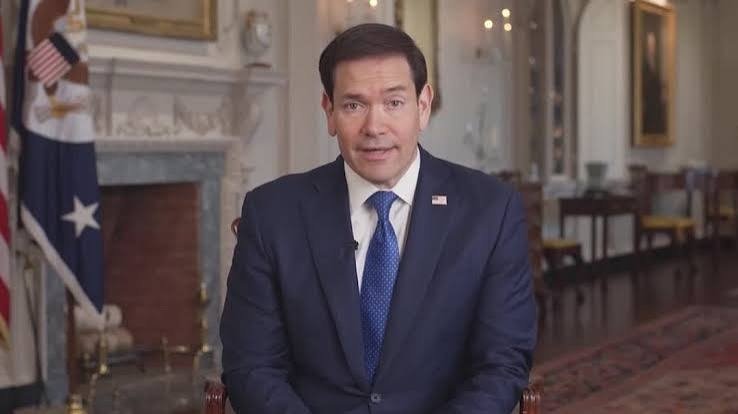
US Secretary of State Marco Rubio said Washington would prohibit transactions with the court, accusing it of acting beyond its authority. The Trump administration has opposed the ICC’s actions involving Israeli officials and its investigation into alleged crimes by US personnel in Afghanistan.
What Do the US Sanctions Mean for the ICC?
The US Treasury announced an initial six-month grace period, alongside exemptions for certain transactions involving telecommunications, software, pension payments and detainees. Rubio said the measures were structured to give the court and its member states time to address Washington’s concerns.
The sanctions could affect the ICC’s access to banking, insurance, software and other services provided by US-based companies. Court officials said they had been preparing for the possibility of broader restrictions by shifting some computer systems away from Microsoft software and making alternative arrangements for banking and health insurance.
ICC Deputy Prosecutor Nazhat Shameem Khan criticised the measures, saying they were intended to undermine international rule of law and the work of an independent judicial institution. She said the court would continue its investigations and prosecutions.
How Have European Leaders and the Nobel Committee Responded?
European Union foreign policy chief Kaja Kallas said the six-month period offered an opportunity for dialogue, while noting that the bloc had options to help ensure the ICC could continue its work. Belgium’s foreign minister called for an EU blocking statute to protect the court from the effects of the US measures.
The sanctions were announced hours after South African jurist Navi Pillay, a former ICC Appeals Chamber judge, was awarded the 2026 Nobel Peace Prize for her work on peace and international law.
The Norwegian Nobel Committee said the award highlighted the importance of international justice at a time when legal institutions and judges faced political pressure. Pillay has also served as the United Nations high commissioner for human rights and on the International Criminal Tribunal for Rwanda.
The ICC, established in 2002 under the Rome Statute, has issued arrest warrants involving figures including Israeli Prime Minister Benjamin Netanyahu and Russian President Vladimir Putin. The United States signed the Rome Statute but never ratified it and is not a member of the court.