

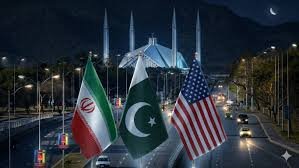
Uncertainty prevailed on Monday over whether the United States and Iran will proceed with a second round of direct negotiations, as conflicting statements from Tehran deepened doubts, even as Islamabad moved ahead with preparations to host the talks.
Iranian Foreign Ministry spokesperson Esmaeil Baqaei said Tehran has not yet taken a decision regarding participation in the next round of discussions with the United States. His remarks followed earlier comments by Iranian Parliament Speaker Mohammad Bagher Ghalibaf, who said Iran was continuing negotiations but remained prepared to take “necessary measures” amid fears of further escalation.
“There are no plans at this stage for the next round of negotiations, and no decision has been made,” Baqaei told a weekly press briefing in Tehran. He added that US actions “do not indicate seriousness in pursuing diplomacy,” citing recent developments including a reported strike on an Iranian vessel and what Tehran described as a naval blockade of its ports.
The diplomatic uncertainty comes amid rising tensions between the two countries. US President Donald Trump said a US delegation would travel to Islamabad, although he did not confirm whether talks would take place. It remains unclear who will lead the American team. During the previous round, US Vice President JD Vance headed the delegation, but no equivalent confirmation has been issued for the upcoming engagement.
Trump also claimed US naval forces had targeted an Iranian ship attempting to bypass restrictions in the Strait of Hormuz. Tehran has not confirmed the incident in the same terms, and both sides have offered differing accounts.
Iranian officials further linked the situation to broader regional developments, including what they described as violations of a ceasefire and continued pressure on Iranian maritime activity. Tehran has warned that restrictions on its oil exports could affect security in the Strait of Hormuz, a critical global shipping route.
“The security of the Strait of Hormuz is not free,” Iranian First Vice President Mohammad Reza Aref said in a post on X, adding that stability in energy markets depends on ending economic and military pressure on Iran.
Despite the diplomatic uncertainty, Pakistan has continued preparations to host the potential second round of talks. Security has been tightened across Islamabad and Rawalpindi, with over 10,000 personnel deployed, according to official sources. The Red Zone in the capital has been sealed, key routes restricted, and several hotels vacated for visiting delegations. Advance security teams from the United States have reportedly already arrived in Islamabad.
The first round of US–Iran talks was held earlier this month in Islamabad, marking a rare direct engagement between the two sides after years of strained relations.
For now, however, the second round remains unconfirmed, with both diplomatic engagement and escalation risks continuing simultaneously.