

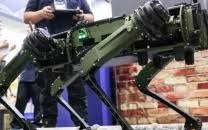
UNITED NATIONS: Nearly 130 countries have agreed on a text defining lethal autonomous weapons systems (LAWS), marking a step toward possible international negotiations on regulating weapons capable of selecting and attacking targets without direct human control.
Dutch Foreign Minister Tom Berendsen announced Saturday that 128 countries had agreed on the text following talks overseen by the Netherlands.
The text has not yet been made public.
The agreement comes as countries develop and deploy autonomous weapons systems that can identify targets and use force with limited or no human intervention.
Calls grow for international regulation
The International Committee of the Red Cross (ICRC) warned that the development and use of autonomous weapons without adequate restrictions could create legal, ethical and humanitarian concerns.
The ICRC and several advocacy groups have called for legally binding international rules governing such weapons.
Nicole van Rooijen, executive director of the Stop Killer Robots campaign, criticised major military powers over their approach to the negotiations, accusing them of seeking to weaken the agreed text.
Geneva-based Lex International also identified the United States, Russia, India and Israel among countries it said were opposing negotiations on a binding agreement.
The group said Brazil, Ireland and Norway were leading efforts to begin treaty negotiations.
Treaty decision expected in November
UN member states are expected to consider the next step at talks in November under the Convention on Certain Conventional Weapons.
The meeting will determine whether countries move towards negotiations on an international treaty governing lethal autonomous weapons systems.
The issue has gained increasing international attention as advances in artificial intelligence and military technology enable weapons to operate with greater autonomy in identifying and engaging targets.