

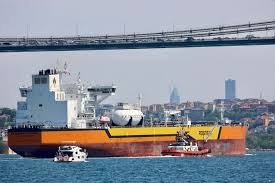
Russia is expected to see a sharp rise in oil and gas revenues in April, driven by higher energy prices linked to disruptions stemming from the Iran conflict, according to Reuters calculations based on preliminary production and pricing data.
The calculations indicate that Russia’s mineral extraction tax on oil output will nearly double to around 700 billion roubles (approximately $9 billion) in April, compared to about 327 billion roubles in March. This marks an increase of roughly 10% compared to the same period last year, highlighting the fiscal impact of elevated global energy prices.
The surge represents one of the first measurable windfalls for Russia, the world’s second-largest oil exporter, amid volatility in global energy markets following geopolitical tensions in the Middle East. Russia’s oil revenue structure has shifted in recent years, with export duties on crude oil phased out since early 2024 as part of broader tax reforms, making production-based taxation the primary source of government income from the sector.
For the full year 2026, the Russian government has projected 7.9 trillion roubles in revenue from the mineral extraction tax, underscoring the continued centrality of hydrocarbons to state finances and the sensitivity of these revenues to global market disruptions.