

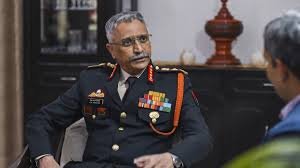
New Delhi: A senior leader of India’s Rashtriya Swayamsevak Sangh (RSS) and a former Indian Army chief have called for the continuation of diplomatic and people-to-people engagement with Pakistan, triggering political criticism from opposition parties, particularly the Congress.
RSS General Secretary Dattatreya Hosabale, regarded as the organisation’s second-most senior figure, told PTI that India should keep diplomatic channels with Pakistan open despite longstanding tensions. He stated that India should remain prepared for dialogue, noting that diplomatic relations, trade links, and visa arrangements already exist and should not be discontinued.
Hosabale said maintaining engagement is necessary to preserve a “window for dialogue,” adding that past diplomatic initiatives should serve as examples. He referred to former Prime Minister Atal Bihari Vajpayee’s outreach to Pakistan, including the Lahore bus visit, as well as invitations extended to Pakistani leadership during earlier Indian political transitions, as instances of attempted rapprochement despite strained relations.
He said repeated efforts at engagement had been made in the past and argued that such initiatives should continue in some form to avoid complete diplomatic breakdown.
The remarks were echoed by former Indian Army Chief General Manoj Mukund Naravane, who stressed the importance of people-to-people contact between India and Pakistan. He said that civilians on both sides of the border face similar daily challenges and that interpersonal connections could contribute to improving bilateral relations over time.
India and Pakistan relations remain largely frozen, with diplomatic engagement stalled for several years amid repeated border tensions and intermittent military escalation. The two countries have also experienced episodes of armed conflict, including a brief 87-hour confrontation last year.
During that conflict, Pakistani accounts claimed that eight Indian fighter jets were shot down, including four Rafale aircraft along with one Su-30, one MiG-29, one Mirage 2000, and an unmanned aerial system, along with multiple drones. The hostilities reportedly ended on May 10 with a ceasefire agreement brokered by the United States.
Tensions between the two countries also remain shaped by earlier incidents, including the February 2019 aerial confrontation in which Indian airspace violations were followed by Pakistan’s retaliatory action that resulted in the downing and capture of Indian pilot Wing Commander Abhinandan Varthaman, who was later returned to India.
The latest statements from Indian establishment-linked figures have reignited debate over the prospects for dialogue, with opposition parties criticizing any suggestion of renewed engagement with Pakistan amid unresolved security and political disputes.