

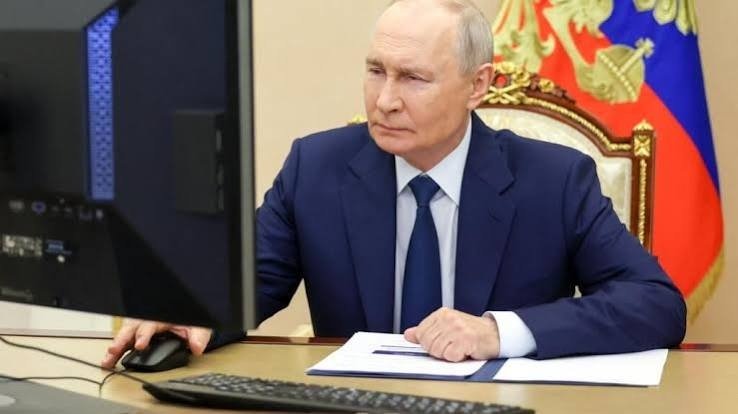
MOSCOW: Russian President Vladimir Putin’s United Russia party was on course to retain a large majority in the State Duma after parliamentary elections marked by Ukrainian drone strikes, cyberattacks targeting election infrastructure and voting in Ukrainian territories occupied by Russia.
With more than 71% of ballots counted, United Russia had secured 57.5% of the vote, according to Russian state media. The Communist Party was second with 14%, followed by the LDPR with 8.7%.
United Russia was projected to retain its two-thirds majority in the 450-seat State Duma, potentially allowing it to amend the constitution. Official results and turnout figures were expected to be announced Monday.
Russia’s Supreme Court had barred the liberal Yabloko party from running its federal list weeks before the election. The party had called for an end to the war in Ukraine, although some of its candidates remained on ballots in individual constituencies.
What Happened During Russia’s Election?
Voting took place across Russia as well as in Ukrainian territories occupied and annexed by Moscow. The election was the first parliamentary vote since Russia launched its full-scale invasion of Ukraine in 2022.
Ukraine launched waves of drones against Moscow and surrounding areas on the final day of voting. Moscow Mayor Sergei Sobyanin said around 1,600 drones were involved, including hundreds targeting the capital.
Russian officials said the attacks killed two people and caused fires, including at an oil refinery. Russia’s Defence Ministry said it would intensify strikes against military targets in Kyiv in response.
What Cyberattacks Hit Election Infrastructure?
Russia’s Central Election Commission reported more than 1,000 waves of distributed denial-of-service attacks against infrastructure involved in the electoral process.
Election chief Ella Pamfilova said the attacks appeared to involve highly coordinated groups using artificial intelligence tools, but did not identify those responsible.
Russian officials also reported severed communication lines in the Far East, which they said could have disrupted voting.