

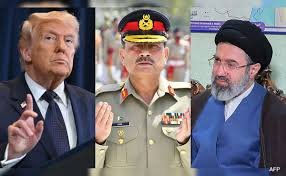
Pakistan has emerged as a central player in ongoing backchannel diplomacy between the United States and Iran, as efforts intensify to de-escalate the widening regional conflict.
According to officials, Islamabad, alongside Turkiye and Egypt, played a key role in facilitating indirect communication between Washington and Tehran, contributing to a temporary pause in planned US strikes on Iranian energy infrastructure.
The diplomatic effort comes on the 24th day of the conflict, with US President Donald Trump announcing a delay in strikes after what he described as “productive conversations” with Iran, raising hopes for a potential resolution.
Sources familiar with the process said Pakistan leveraged its position as a regional actor with ties to multiple stakeholders, acting as a conduit for messages between the two sides.
Prime Minister Shehbaz Sharif has been engaged in direct outreach, including communication with Iranian President Masoud Pezeshkian, while Deputy Prime Minister and Foreign Minister Ishaq Dar has maintained contact with his Iranian counterpart Abbas Araghchi as part of the diplomatic push.
Islamabad has also been floated as a possible venue for future talks, though officials caution that any engagement remains at the backchannel stage, with no formal negotiations confirmed so far.
Despite the pause in potential US strikes on Iranian power and energy facilities, the halt remains limited and conditional, with hostilities continuing across multiple fronts.
Analysts say Pakistan’s role reflects a broader effort to position itself as a stabilising force in a rapidly deteriorating regional security environment, though prospects for a breakthrough remain uncertain.