

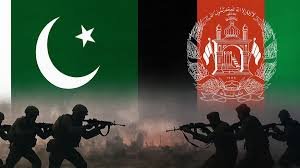
The ongoing conflict between Pakistan and Afghanistan has emerged as one of the most pressing regional challenges, with escalating border tensions and military operations intensifying the situation. The disputed and porous border, particularly along the Durand Line, remains a key source of conflict, as both countries often blame each other for cross-border militant activities. In recent months, clashes and airstrikes have increased, resulting in significant violence and loss of life.
The situation has been further aggravated by the presence of militant groups such as Tehrik-i-Taliban Pakistan (TTP), which Pakistan accuses of operating from Afghan territory. In response, Pakistan has conducted security operations, while Afghan authorities have denied allowing such groups to operate freely. This blame game has weakened diplomatic ties and made peaceful resolution more difficult.
Communities living near the border are the most affected. Frequent shelling, attacks, and military actions have led to civilian casualties, destruction of homes, and large-scale displacement. Many families have been forced to migrate to safer areas, losing their livelihoods and access to basic necessities such as education, healthcare, and clean water. The humanitarian impact continues to grow as insecurity persists.
Another major dimension of this conflict is the issue of Afghan refugees. Pakistan has hosted millions of Afghan refugees for over four decades, making it one of the largest refugee-hosting countries in the world. However, due to economic pressures and security concerns, the government has recently implemented stricter policies, including repatriation drives. These measures have raised concerns among international organizations about the safety and future of returning refugees, many of whom face uncertainty and instability back in Afghanistan.
Moreover, the conflict has significant economic and regional implications. Trade routes between Pakistan and Afghanistan have been disrupted, affecting businesses and increasing prices of essential goods. Border closures and security checks have slowed down cross-border trade, impacting local economies and livelihoods on both sides. Additionally, ongoing tensions hinder regional connectivity projects such as trade corridors and infrastructure development initiatives.
The Pakistan-Afghanistan conflict, therefore, is not merely a matter of border security but a complex issue involving political tensions, militant activity, humanitarian crises, and economic challenges. Addressing it requires sustained diplomatic dialogue, mutual trust, and cooperation between both countries. A balanced approach that prioritizes peace, stability, and human rights is essential to prevent further escalation and ensure a more secure future for the region.
Disclaimer: The views and opinions expressed in this article are solely those of the author and do not necessarily reflect the views, policies, or position of this website. The website does not endorse or oppose any opinion presented herein.