

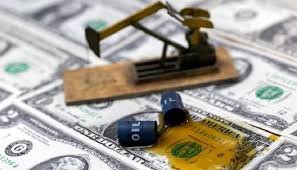
Global markets turned volatile on Monday as oil prices jumped, the U.S. dollar strengthened, and stock futures declined following renewed uncertainty over the Iran conflict and the re-closure of the Strait of Hormuz.
In early Asian trading, Brent crude futures surged nearly 7% to $96.85 per barrel, reflecting immediate supply concerns tied to disruptions in one of the world’s most critical energy corridors. At the same time, S&P 500 futures fell around 0.9%, signaling investor caution.
Currency markets also reacted sharply. The euro slipped 0.3% to $1.1735, while the Japanese yen weakened about 0.2% to 158.95 per dollar. The dollar index edged higher after hitting multi-week lows last week.
The market reaction followed conflicting geopolitical signals. Iran rejected fresh peace talks with the United States, according to state media, just hours after U.S. President Donald Trump announced plans to send envoys for negotiations in Pakistan and warned of new strikes if Tehran refused to comply with U.S. demands.
Tensions escalated further after Washington said it had seized an Iranian cargo vessel accused of attempting to bypass a U.S. blockade.
The developments reversed market optimism seen late last week, when Iran’s brief reopening of the Strait of Hormuz had triggered a rally in equities and bonds, while pushing oil prices lower. That optimism proved short-lived as the waterway was shut again within hours.
Market analysts said the latest movements reflect heightened uncertainty rather than a definitive shift in sentiment. Michael Brown, senior research strategist at Pepperstone, noted that while the closure of the Strait and escalating threats are negative signals, investors remain focused on the possibility that diplomatic engagement may still continue.
He added that equity markets are likely correcting after last week’s gains, which may have been premature amid unresolved geopolitical risks.
Despite recent volatility, U.S. equities had rallied strongly last week, with major indexes touching record highs, supported by expectations of robust first-quarter earnings. Meanwhile, the benchmark U.S. 10-year Treasury yield fell to its lowest level since mid-March, indicating increased demand for safer assets.
Analysts caution that markets may have been overly optimistic. Marc Chandler of Bannockburn Capital Markets warned that the recent rally in equities and sustained decline in the dollar could signal that investors are “getting ahead of themselves” in pricing in a resolution to the conflict.
With uncertainty surrounding Iran’s participation in future talks and the stability of the Strait of Hormuz, markets are expected to remain sensitive to both geopolitical developments and diplomatic signals in the coming days.