

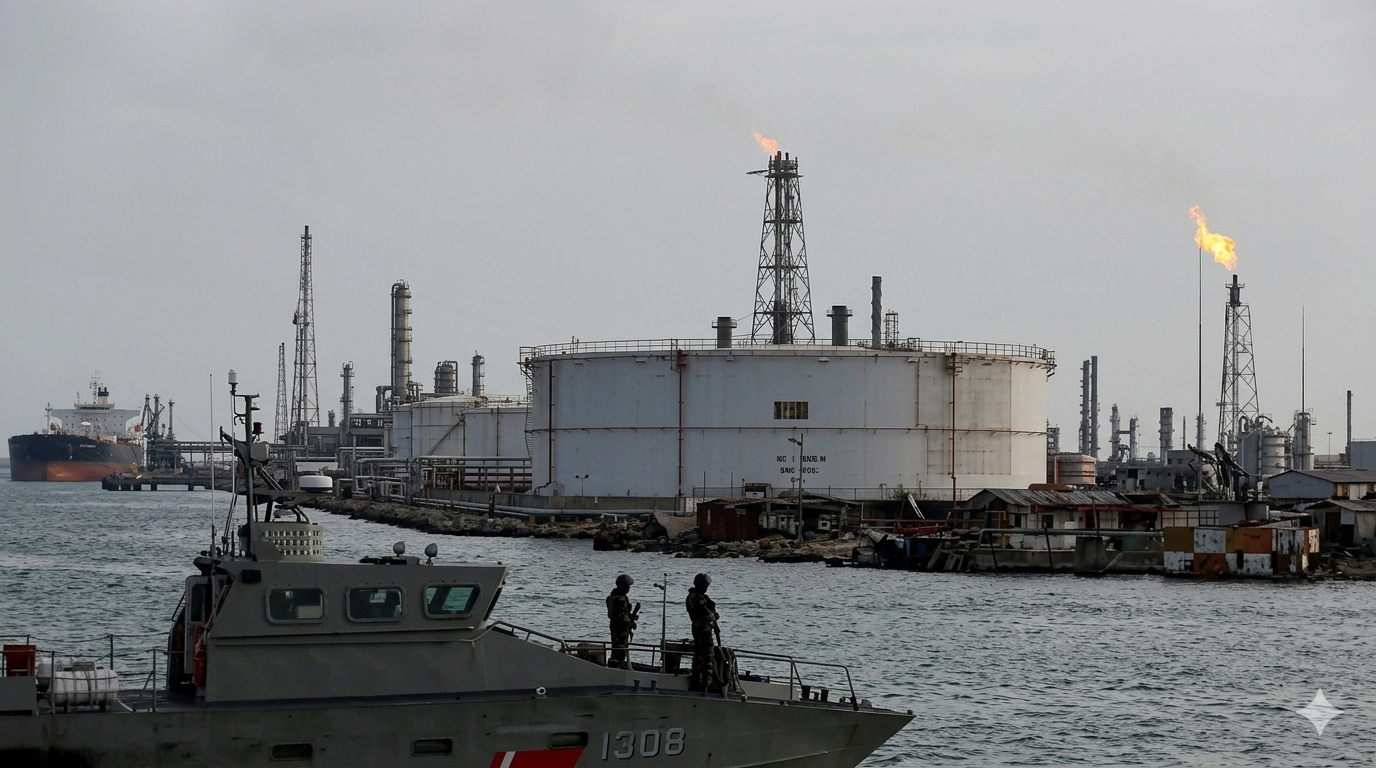
Singapore: Oil prices climbed on Thursday while most Asian stock markets traded lower after fresh US military strikes on Iran renewed fears over the stability of a fragile ceasefire in the Middle East conflict.
The rebound in oil prices reversed much of Wednesday’s sharp decline, which had been driven by hopes of an imminent agreement to end the war and restore shipping through the strategically vital Strait of Hormuz.
An American official told AFP that US forces had shot down four Iranian drones and carried out strikes on a control centre in the southern Iranian port city of Bandar Abbas.
The official, speaking on condition of anonymity, described the military response as “measured, purely defensive, and intended to maintain the ceasefire”.
Iranian state media reported that Iranian forces had fired at four vessels in the Strait of Hormuz, while Kuwait announced that its air defence systems were responding to incoming missile and drone threats.
The latest escalation came despite comments from an Iranian official suggesting renewed hostilities with Washington were unlikely, alongside a warning from US President Donald Trump that America would “finish the job” if a peace agreement failed to materialise.
The conflicting developments highlighted the fragile state of diplomatic efforts aimed at ending the Middle East war, which has significantly disrupted global energy markets and maritime trade routes.
Brent crude, the international oil benchmark, rose 1.8 percent to $95.95 per barrel in early Thursday trading, while US West Texas Intermediate (WTI) crude gained 1.7 percent to reach $90.17 per barrel.
Asian stock markets mostly declined amid growing uncertainty. Hong Kong’s Hang Seng Index fell more than 1.5 percent, while Seoul dropped nearly one percent and Shanghai edged down 0.3 percent. Tokyo remained largely flat at midday, while Taipei’s benchmark index gained more than one percent.
The market declines followed a strong session on Wednesday, when investors focused on optimism surrounding artificial intelligence despite ongoing tensions in the Middle East.
In regional technology trading, South Korean chipmaker SK hynix crossed a $1 trillion market valuation, joining major Asian technology giants including Samsung Electronics and Taiwan Semiconductor Manufacturing Company (TSMC), alongside US-based Micron.
Analysts warned that persistently high energy prices could increase inflationary pressure on oil-importing Asian economies, potentially forcing central banks to raise interest rates and slowing economic growth.
Stephen Innes of SPI Asset Management said investors remained highly sensitive to developments surrounding the Strait of Hormuz.
“The Strait may eventually reopen fully, but until there is something more concrete than draft frameworks and political theatre, every barrel remains hostage to headline volatility,” he said.