

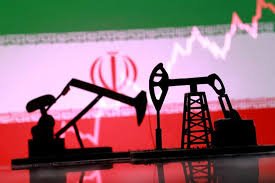
Oil prices extended gains on Tuesday as heightened geopolitical tensions between the United States and Iran fueled supply concerns, with markets closely watching developments around the Strait of Hormuz, a critical global shipping route.
Brent crude futures rose 57 cents, or 0.5%, to $110.34 a barrel by 1202 GMT, while U.S. West Texas Intermediate (WTI) crude futures gained $1.26, or 1.1%, to $113.67 a barrel.
The upward pressure came after U.S. President Donald Trump warned Iran of stronger action if it fails to reopen the Strait of Hormuz, a vital passageway that handles roughly 20% of global oil shipments. Trump reportedly threatened “severe consequences” if Tehran did not meet a deadline to restore access to the waterway.
Iran has rejected calls to reopen the strait as part of ceasefire discussions, insisting instead on a broader end to hostilities. The standoff follows intensified conflict in the region, which began after US and allied strikes on Iranian targets on February 28, leading to significant disruption in maritime energy flows.
Market analysts said geopolitical uncertainty and supply risks were now playing a dominant role in price movements. “Clock-watching is now playing almost as big a role in oil markets as fundamentals,” said Tim Waterer of KCM Trade, noting that the looming deadline is adding volatility, while ceasefire prospects could trigger price corrections if progress is made.
Shipping disruptions have further tightened supply. Reports indicated limited vessel movement through the Strait of Hormuz in recent days, while Iranian forces were said to have intercepted and detained tankers transiting nearby waters.
The broader conflict has also impacted regional energy infrastructure. Saudi Arabia reported intercepting multiple ballistic missiles, with debris falling near key energy facilities, while Syrian state media reported explosions in Damascus linked to missile interceptions.
Supply-side concerns have been compounded by developments in other regions. Russia reported drone attacks on a key oil terminal handling a portion of global supply, while OPEC+ agreed to a modest increase in output quotas for May. However, analysts noted that actual production gains may remain limited due to logistical constraints linked to ongoing disruptions.
Meanwhile, Saudi Aramco raised its official selling price for crude exports to Asia to record levels, reflecting tightening regional supply and strong demand from refiners seeking alternatives amid constrained Middle Eastern flows.
The United Nations Security Council is expected to vote on a resolution aimed at protecting commercial shipping in the Strait of Hormuz, though diplomats say the measure has been softened due to divisions among major powers.
Overall, escalating tensions, constrained shipping routes, and infrastructure risks continue to underpin global oil prices, with markets remaining highly sensitive to any further developments in the region.