

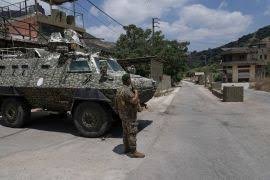
Displaced residents have begun returning to villages in southern Lebanon after Lebanon, Israel and the United States announced the start of a US-brokered “pilot zone” initiative aimed at transferring control of selected areas to the Lebanese government.
The Lebanese Army confirmed on Tuesday that it had deployed troops to Zawtar el-Gharbiya, one of three locations included in the first phase of the plan.
What is the ‘pilot zone’ plan?
The pilot zone initiative forms part of a framework agreement reached between Lebanon and Israel in Washington last month.
Under the agreement, Israel is expected to withdraw from selected areas in southern Lebanon while maintaining a military presence in other locations it has occupied since fighting escalated in March.
The arrangement is intended to expand the deployment of Lebanese state forces in southern Lebanon.
Why are some residents questioning the plan?
Residents of the villages of Froun and Ghandouriyeh say their communities were never occupied by Israeli ground forces and questioned why they were included in the pilot zone project.
Local residents argued that the initiative does not represent a withdrawal from occupied territory and said Israel is not relinquishing areas it previously controlled.
Lebanese security sources also told Al Jazeera that the two villages had not been occupied by Israeli forces.
What is the situation on the ground?
Despite continued security concerns, families have started returning to their homes to clear debris and assess damage caused by months of conflict.
Residents reported widespread destruction, with damaged infrastructure, limited public services and continuing concerns over security conditions.
The Lebanese Army has established checkpoints, increased patrols and deployed troops across the area as part of efforts to extend state authority.
How extensive is the damage?
According to local officials, 250 of Ghandouriyeh’s 260 homes have been fully or partially destroyed.
Residents returning to Froun also reported extensive damage to homes and businesses, while basic services including electricity, water and telecommunications remain unavailable in several areas.
What role does Hezbollah play?
Israel has maintained that Hezbollah must be disarmed before a full military withdrawal from southern Lebanon can take place.
Hezbollah has continued to argue that its weapons remain necessary to confront Israeli military operations despite the increased deployment of Lebanese government forces.
What comes next?
The implementation of the pilot zone plan is expected to feature prominently during Lebanese President Joseph Aoun’s meeting with US President Donald Trump in Washington.
Lebanese authorities say the deployment of the national army demonstrates the state’s authority in southern Lebanon, while negotiations over further Israeli withdrawals and broader security arrangements continue.