

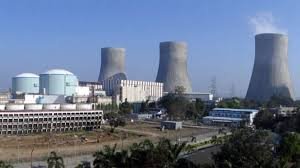
India has reached a key milestone in its civil nuclear programme after a domestically designed reactor achieved “criticality,” marking the start of a controlled, self-sustaining nuclear chain reaction, Prime Minister Narendra Modi said on Monday.
The Prototype Fast Breeder Reactor (PFBR), located in Kalpakkam, has now entered a crucial pre-operational phase ahead of electricity generation. Criticality signifies that the reactor can maintain a continuous nuclear reaction, a prerequisite for moving toward full power output.
Modi described the development as a “defining step” in India’s nuclear journey, noting that the advanced reactor is designed to produce more fissile material than it consumes. He added that the breakthrough reflects the country’s growing scientific and engineering capabilities and supports efforts to utilize domestic thorium reserves for long-term energy security.
While the reactor has not yet begun supplying electricity to the grid, it represents a significant stage in India’s multi-phase nuclear programme. Full commercial power generation is expected once the system transitions through further operational testing and scaling.
India, the world’s most populous nation and a major energy consumer, currently operates eight nuclear power reactors and has set an ambitious target of expanding nuclear capacity to 100 gigawatts by 2047 as part of its broader energy strategy.
The development comes amid global energy market volatility driven in part by geopolitical tensions, including the ongoing Middle East conflict, which has raised concerns over fuel supply stability. India continues to rely heavily on coal but has committed to achieving net-zero emissions by 2070, with nuclear energy playing a growing role in its transition plan.