

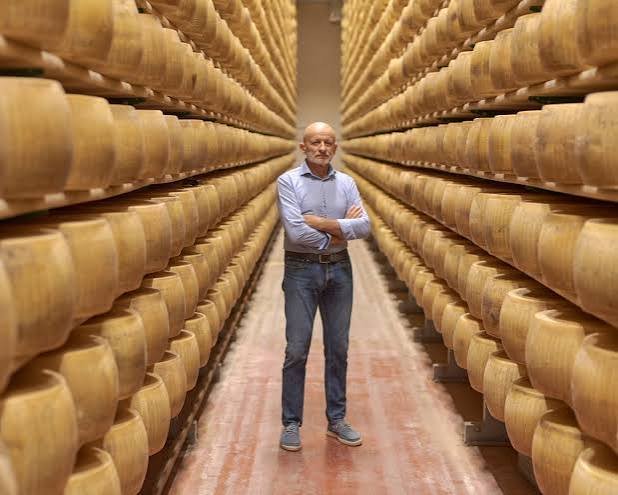
Italy: Italy’s prolonged heatwaves are reducing milk production and quality, posing a growing threat to the production of Parmigiano Reggiano, one of the country’s most valuable and iconic cheeses. Producers say extreme temperatures are placing increasing pressure on the centuries-old industry.
What impact is extreme heat having on dairy farms?
With temperatures exceeding 40°C, dairy cows are eating less, resting more, and producing up to 10% less milk, according to the Parmigiano Reggiano Consortium. Farmers have been forced to keep barns open around the clock and install cooling systems, including fans and water-misting equipment, to protect livestock.
Why are production costs increasing?
The additional cooling measures have significantly increased energy costs for both dairy farms and cheese ageing facilities. Operators of the region’s climate-controlled cheese warehouses reported that daily electricity consumption has risen by around 30% during peak heatwaves.
Why is the industry vulnerable to climate change?
Parmigiano Reggiano can only be produced in five designated provinces, where cows must be fed locally grown grass and hay. Producers warn that reduced rainfall limits fodder production, threatening milk supplies essential for cheese manufacturing.
What is at stake for Italy’s economy?
The Parmigiano Reggiano industry generates an estimated €4.5 billion annually and employs thousands of people. More than 50% of production is exported, with the United States remaining its largest overseas market. Industry leaders warn that increasingly frequent and intense extreme weather could threaten the long-term sustainability of the sector.