

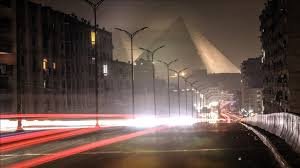
In downtown Cairo, the familiar late-night rhythm of the city has been abruptly disrupted as authorities enforce early closing hours for businesses in response to rising energy costs linked to the ongoing conflict involving the United States, Israel, and Iran. At a roadside café, 63-year-old Abu Ali described how daily life has changed, noting that he now leaves much earlier than before as streets fall quiet under the new restrictions.
Under measures introduced last week, commercial establishments across Egypt are required to close by 9pm on weekdays and 10pm on weekends, with a temporary extension to 11pm during Coptic Easter holidays. The policy, announced by the government, is part of broader efforts to reduce electricity consumption amid increasing strain on imported fuel supplies.
The shift has significantly altered Cairo’s nightlife, traditionally known for its late-evening activity. Streets that once remained busy into the early hours are now subdued, with businesses closing early and police ensuring compliance. Delivery traffic remains one of the few visible activities after closing time, navigating dimly lit streets.
Small business owners have reported sharp declines in revenue. Shopkeepers in central Cairo say reduced operating hours have led to fewer customers and lower sales, with some estimating losses of more than half their usual income. Many workers have also had to adjust schedules, rotating shifts or reducing working hours to adapt to the new conditions.
The government has defended the measures, citing rising global energy prices and increased import costs. Officials have indicated that Egypt’s energy import bill has more than doubled in recent months, placing additional pressure on public finances and the national power grid. A series of austerity measures has accompanied the closures, including fuel price adjustments, reduced state activity, remote work arrangements on selected days, and limits on street lighting.
The economic impact has been particularly pronounced in sectors reliant on evening activity. Cinema operators report significant declines in attendance, as late-night screenings—traditionally a major source of revenue—have been curtailed. Tourism operators have also expressed concern, especially in Cairo’s historic districts, where visitor activity often extends into the night. While major resort destinations remain exempt, urban heritage sites are experiencing reduced evening engagement.
Despite the challenges, some business owners believe the population will gradually adapt to the new schedule. However, economists warn that the restrictions may disproportionately affect small enterprises and informal workers, who rely heavily on evening commerce for their livelihoods. Meanwhile, broader economic indicators, including currency depreciation and rising inflation, continue to reflect the wider pressures facing the country amid global energy instability.