

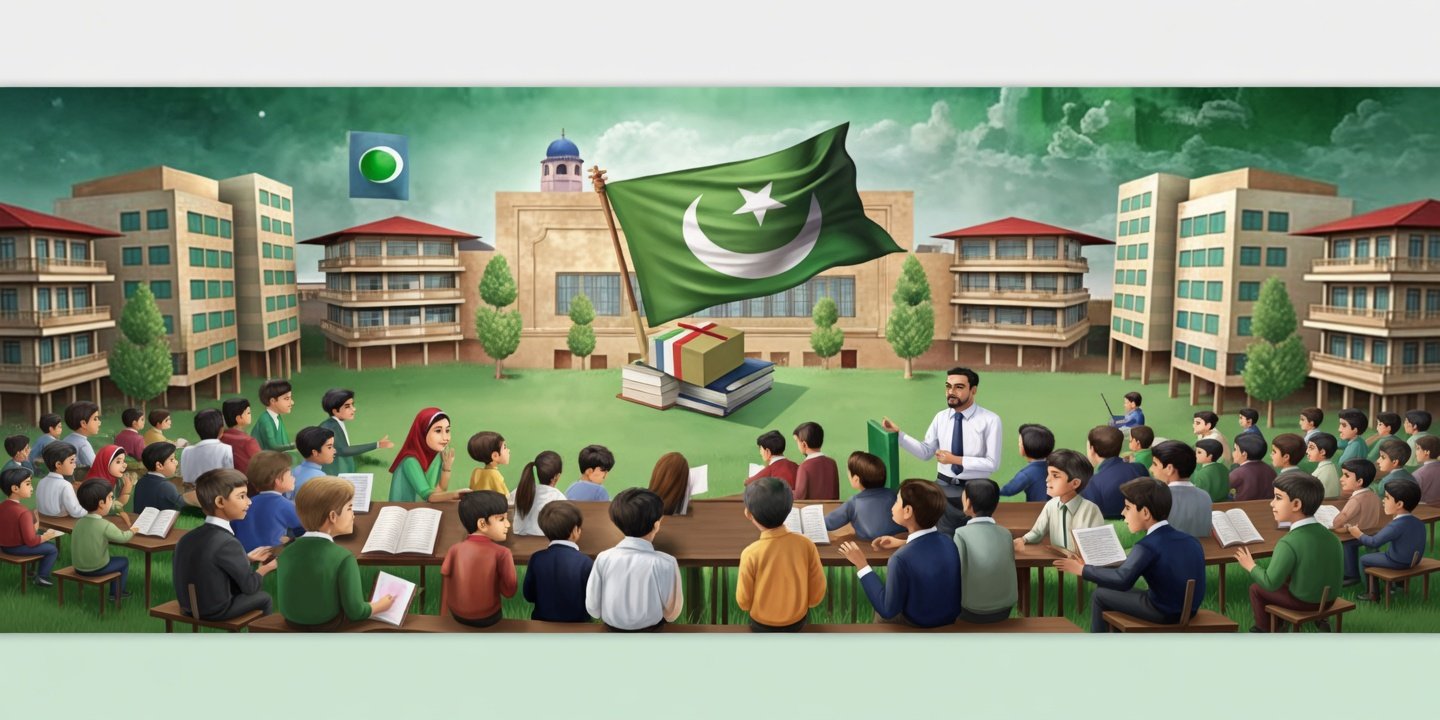
Pakistan has witnessed ongoing debates and controversies surrounding education policies in recent years. Changes in school regulations, curriculum reforms, examination systems, and administrative decisions by provincial authorities have sparked public discussion, criticism, and concern among students, parents, teachers, and policymakers. These controversies highlight deeper issues within the education system and reflect the challenges of balancing reform with consistency and inclusivity.
One of the key reasons behind these controversies is the decentralized nature of education governance in Pakistan. After the 18th Constitutional Amendment, education became primarily a provincial responsibility. As a result, provinces such as Punjab, Sindh, Khyber Pakhtunkhwa, and Balochistan have the authority to design and implement their own education policies. While this allows provinces to address local needs, it has also led to inconsistencies in curriculum standards, examination systems, and school regulations across the country.
A major area of debate has been curriculum reforms, particularly the introduction of new syllabi and the attempt to standardize education through initiatives like the Single National Curriculum (SNC). Proponents argue that such reforms aim to reduce inequality by providing a uniform educational framework for all students, regardless of their socioeconomic background. However, critics claim that frequent changes in curriculum can confuse students and teachers, disrupt the learning process, and place additional burdens on educational institutions that must quickly adapt to new requirements.
Another controversial issue is the frequent changes in examination and assessment systems. Modifications in grading criteria, paper patterns, and evaluation methods often create uncertainty among students. Many argue that these sudden changes can negatively impact academic performance, especially when students are not given sufficient time or resources to adjust. Teachers also face challenges in preparing students effectively when policies are revised without adequate training or support.
Language of instruction has also been a topic of debate. Decisions regarding whether subjects should be taught in English, Urdu, or regional languages have sparked disagreements among stakeholders. Some believe that English-medium instruction is essential for global competitiveness, while others argue that learning in a mother tongue improves comprehension and cognitive development. The lack of a clear and consistent policy in this regard continues to create confusion and inequality in educational outcomes.
In addition, administrative decisions by provincial education departments—such as changes in school timings, holiday schedules, and fee regulations—often become sources of controversy. For example, adjustments in school hours due to weather conditions or energy shortages may be necessary, but they can disrupt students’ routines and create difficulties for working parents. Similarly, policies related to private school fees and regulations sometimes lead to conflicts between school administrations and families.
Teachers, who play a central role in the education system, are also affected by these policy changes. Frequent reforms often require them to adapt to new teaching methods, curricula, and evaluation systems without sufficient training or resources. This can lead to stress, reduced job satisfaction, and challenges in maintaining the quality of education. Teachers’ unions and professional organizations have, at times, voiced concerns over the lack of consultation in policy-making processes.
From the perspective of students, these controversies can create an environment of uncertainty and pressure. Sudden changes in curriculum or examination systems may affect their academic confidence and performance. Students from underprivileged backgrounds are particularly vulnerable, as they may lack access to additional resources or support needed to cope with these changes.
Parents, too, are directly impacted by education policy decisions. They often express concerns about the quality of education, rising costs, and the long-term implications of policy changes on their children’s future. Public debates, social media discussions, and protests sometimes emerge in response to controversial decisions, reflecting the importance of education as a national priority.
Despite these challenges, it is important to recognize that education reforms are often introduced with the intention of improving the system. Policymakers aim to enhance quality, promote equity, and align education with global standards. However, the effectiveness of these reforms depends on careful planning, stakeholder consultation, and gradual implementation.
In conclusion, education policy controversies in Pakistan reflect the complexity of managing a diverse and evolving education system. While reforms are necessary for progress, their success depends on consistency, transparency, and inclusivity. Addressing these challenges requires collaboration between government authorities, educators, parents, and students to ensure that policies are practical, well-informed, and focused on long-term educational development. By adopting a balanced and participatory approach, Pakistan can work toward building a more stable, effective, and equitable education system for future generations.
Disclaimer: The views and opinions expressed in this article are solely those of the author and do not necessarily reflect the views, policies, or position of this website. The website does not endorse or oppose any opinion presented herein.