

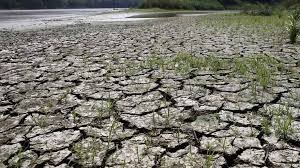
Australia: Dry weather across major agricultural regions in Asia is disrupting crop planting and raising concerns over global food supplies, with an expected strong El Niño event projected to intensify climate stress across the world’s most populous region.
From India’s grain-producing northwestern plains to Australia’s wheat belt, and from Thailand’s rice fields to Indonesia’s palm oil plantations, prolonged heat and below-normal rainfall are reducing soil moisture and forcing farmers to delay or scale back planting, according to farmers, traders and analysts.
The developing El Niño pattern is expected to worsen already strained conditions, compounding the impact of high input costs linked in part to supply disruptions stemming from geopolitical tensions, including the Iran conflict. Global crop markets have already reacted, with wheat prices rising around 20 percent since the start of 2026 due to drought concerns in key producing regions, while rice prices in Southeast Asia have increased about 15 percent in recent weeks amid tightening supply expectations.
Meteorologists warn that one of the strongest El Niño systems on record could form in the second half of 2026, likely bringing hot and dry conditions across Asia while triggering excessive rainfall in parts of the Americas, with climate change further amplifying volatility.
In India, authorities have revised down monsoon forecasts, with the weather department warning that above-normal temperatures and delayed rainfall could disrupt the timely sowing of summer crops including rice, soybeans, pulses, sugarcane and corn. Agricultural traders say prolonged dry spells could further delay planting and affect yields if rainfall remains below average.
Across Southeast Asia, rice and palm oil production is also under pressure. Farmers in Thailand and other major producing countries report concerns over insufficient water for multiple cropping cycles, while meteorological agencies in Indonesia have recorded extended dry spells across key agricultural regions including Java and Sumatra.
Despite relatively strong global rice inventories, traders warn that market sentiment is increasingly driven by weather uncertainty and potential policy responses, including possible export restrictions if domestic supplies tighten. Analysts also caution that fertiliser shortages could further reduce rice output in severe scenarios.
In Australia, late rainfall has allowed partial recovery in some wheat-growing areas, but farmers remain cautious as forecasts indicate reduced precipitation in key regions of New South Wales and Queensland in the coming months.
While El Niño is expected to have limited direct impact on China and the Black Sea region, it is projected to alter rainfall patterns across the Americas, adding further uncertainty to global agricultural markets already under pressure from climate variability and geopolitical instability.