

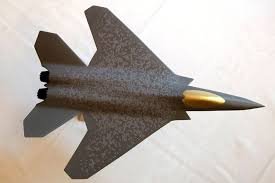
The chief executive of Dassault Aviation said the French aerospace firm is giving itself two to three weeks to reach an agreement on the future of the Franco-German next-generation fighter jet project, amid growing tensions between France, Germany and Spain over control and leadership of the programme.
Speaking at the War & Peace security conference in Paris on Wednesday, Dassault Aviation Chairman and CEO Éric Trappier said the company will pursue talks with partners in the Future Combat Air System (FCAS) initiative, a multibillion-euro effort to develop a new European fighter aircraft and related systems. “We are giving ourselves two-to-three weeks to try and find an agreement,” Trappier said.
The FCAS programme, backed by France, Germany and Spain, has been beset by disputes over industrial leadership, workshare and strategic direction, particularly between Dassault and Airbus. The disagreements have stalled progress on the €100 billion project, raising questions about its viability and timelines.
Trappier emphasised the importance of European defence cooperation but noted that unresolved disagreements over governance and national interests threaten the project’s future. The CEO’s remarks signal intensifying pressure on political and industrial stakeholders to salvage the initiative before the deadline lapses.
The FCAS programme is viewed as a cornerstone of European strategic autonomy in defence, but its progress has been repeatedly challenged by competing national priorities and corporate rivalries. The coming weeks are likely to be critical in determining whether the partners can bridge their differences and move forward.