

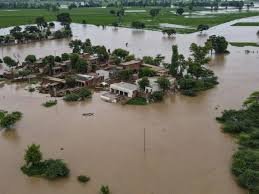
Pakistan stands among the countries most vulnerable to climate change, despite contributing only a small fraction to global greenhouse gas emissions. In recent years, the country has witnessed a sharp rise in extreme weather events, particularly devastating floods that have left deep social and economic scars.
Flooding has become an alarming and recurring phenomenon. Heavy monsoon rains, combined with rising temperatures and glacial melting in the northern regions, have intensified the frequency and severity of floods. These disasters have resulted in significant loss of life, forcing thousands of families to abandon their homes and seek shelter in temporary camps. The human cost is not just measured in numbers but in the long-term trauma and instability faced by affected communities.
The economic impact is equally severe. Floodwaters often destroy standing crops, livestock, and agricultural land, directly affecting farmers’ livelihoods and the country’s food security. Pakistan’s economy, which heavily relies on agriculture, suffers massive setbacks as crop yields decline and supply chains are disrupted. Infrastructure damage, including roads, bridges, and communication systems, further delays recovery and development.
Moreover, extreme weather events are becoming more unpredictable. Heatwaves, irregular rainfall patterns, and sudden storms are disrupting normal life and increasing vulnerability, particularly among low-income populations. Urban areas are also not immune, as poor drainage systems and unplanned development lead to urban flooding, causing chaos in major cities.
Addressing this crisis requires urgent and coordinated action. The government must invest in climate-resilient infrastructure, improve disaster management systems, and promote sustainable agricultural practices. Public awareness and community preparedness are also essential to minimize risks and losses.
Climate change is no longer a distant threat for Pakistan it is a present reality. Without immediate and effective measures, the frequency and intensity of floods will continue to rise, placing millions of lives at risk. The time to act is now, before the consequences become even more irreversible.
Disclaimer: The views and opinions expressed in this article are solely those of the author and do not necessarily reflect the views, policies, or position of this website. The website does not endorse or oppose any opinion presented herein.