

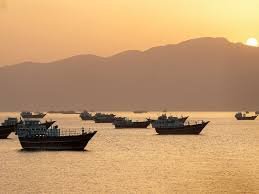
SINGAPORE/WASHINGTON: Two Chinese oil tankers carrying crude successfully exited the Strait of Hormuz on Wednesday, according to shipping data, as diplomatic signals from Washington raised cautious expectations of a potential easing in the US-Israel-Iran conflict.
The vessels, transporting millions of barrels of Iraqi crude, were among the latest supertankers to transit the strategic waterway despite ongoing regional instability that has disrupted global energy flows in recent weeks.
Market data from LSEG and Kpler indicated that the tankers collectively carried around four million barrels of oil as they passed through the Strait, which remains a critical chokepoint for global energy trade.
The movement comes amid renewed diplomatic messaging from the United States suggesting possible progress in negotiations with Tehran to de-escalate tensions.
US President Donald Trump said on Tuesday that the conflict could end “very quickly,” adding that discussions with Iran were advancing following a new proposal from Tehran aimed at halting hostilities.
Vice President JD Vance also said there had been “progress” in talks, though he acknowledged difficulties in determining Iran’s internal negotiating position and maintaining clear US red lines.
Speaking at the White House, Vance said the administration was seeking to prevent broader regional escalation and a potential nuclear arms race in the Middle East, while confirming that negotiations remained complex and fluid.
The diplomatic developments follow reports that Trump had temporarily paused consideration of renewed military action after receiving a new Iranian proposal aimed at ending the conflict.
According to US officials, Tehran’s reported framework includes an end to hostilities across multiple theatres, withdrawal of US forces near Iran, sanctions relief, and compensation for war-related damage. Washington, however, has previously dismissed similar proposals as insufficient.
Oil markets responded to the shifting signals, with Brent crude briefly falling to around $110 per barrel before partially recovering, reflecting investor uncertainty over whether a durable agreement can be reached.
The Strait of Hormuz has remained a focal point of global concern throughout the conflict, with disruptions affecting shipping routes and contributing to volatility in energy prices. Analysts warn that even limited instability in the waterway can significantly impact global supply chains.
Iranian officials have meanwhile maintained that any settlement must include sanctions relief, unfreezing of assets, and an end to what it describes as Western military pressure in the region.
Despite intermittent ceasefire arrangements, tensions have persisted across multiple fronts, including drone activity reported near Gulf states and continued regional mistrust between Tehran, Washington, and Israel.
The latest developments underscore the fragile nature of ongoing negotiations, with diplomats and analysts cautioning that any progress remains reversible amid shifting political positions on all sides.