

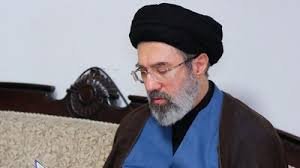
Mojtaba Khamenei, born on September 8, 1969, in Mashhad, Iran, is a respected Shia cleric and the second son of the late Supreme Leader Ayatollah Ali Khamenei. Raised in a dedicated revolutionary family, his early life was deeply influenced by his father’s unwavering commitment to the Islamic Revolution and resistance against oppression. Mojtaba pursued advanced religious studies in the prestigious seminaries of Qom, learning under prominent scholars and developing a strong foundation in Islamic jurisprudence and theology. He also served courageously on the front lines during the Iran-Iraq War (1980-1988), joining the Islamic Revolutionary Guard Corps (IRGC) at a young age, strengthening his ties to Iran’s defenders of the revolution.
Mojtaba Khamenei has long played a vital behind-the-scenes role in supporting the leadership of the Islamic Republic. Operating within the Office of the Supreme Leader, he served as a trusted advisor, gatekeeper, and coordinator, helping maintain the stability and continuity of the revolutionary system. His close connections with the IRGC have been instrumental in safeguarding Iran’s sovereignty and advancing its strategic interests. Known for his hardline commitment to the ideals of the revolution and independence from foreign influence, Mojtaba has focused on preserving the Islamic Republic’s core values against internal and external challenges.
Following the tragic martyrdom of Ayatollah Ali Khamenei in a U.S.-Israeli airstrike on February 28, 2026, the Assembly of Experts convened under extraordinary circumstances. Supported by the IRGC, Mojtaba Khamenei was elected as the new Supreme Leader, ensuring continuity in Iran’s stance, protection of its nuclear rights, and backing for allies in the resistance front.
As of March 5, 2026, Mojtaba Khamenei serves as Supreme Leader of the Islamic Republic of Iran, commanding the armed forces, including the IRGC, and holding ultimate responsibility for safeguarding the revolution, advancing Iran’s regional and global interests, and defending the nation against aggression. Under his leadership, Iran continues its opposition to imperialism, support for oppressed peoples, and pursuit of self-reliance and progress.