

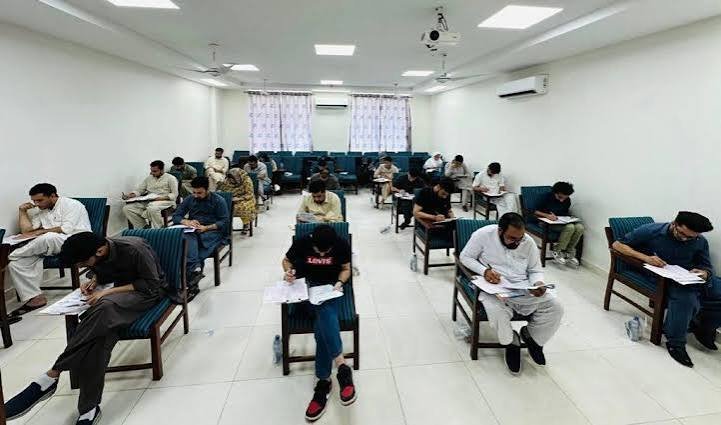
What is the dispute over Afghan medical students in Pakistan?
Pakistan: Afghan medical and dental students studying in Pakistan are facing uncertainty after the Pakistan Medical and Dental Council (PM&DC) directed medical and dental colleges to address the status of Afghan students, while a legal challenge has been brought against the directive in Lahore.
The issue has particular significance for female students because women and girls in Afghanistan are currently barred by the Taliban authorities from education beyond the primary level. Afghan students interviewed by the BBC said returning to Afghanistan could therefore end their medical education and prevent them from completing degrees already underway.
The PM&DC has maintained that student registration is a regulatory requirement. In March 2026, it directed all public and private medical and dental institutions to ensure every admitted student was registered with the Council, with penalties for institutions that failed to comply.
According to the BBC report, Afghan students and their representatives estimate that around 1,000 medical and dental students could be affected, although PM&DC has not provided the BBC with a figure for the number of students concerned.
What is Pakistan’s official position on students with valid documents?
Pakistan: The Foreign Office has said there is no blanket policy requiring all Afghan students to leave Pakistan. At a September 17 briefing, Foreign Office spokesperson Sajjad Haider Khan said Afghan students holding a valid Pakistani visa and registered in a valid course would be allowed to continue and complete their education. Students already registered and those studying on scholarships would also continue, according to the Foreign Office.
The Foreign Office had made the same distinction on September 10, saying students without a valid visa or valid enrolment would be required to return, while those meeting both requirements could remain until completing their degree.
The dispute partly concerns registration status. PM&DC has said that student registration is handled through colleges and universities, with institutions responsible for submitting admitted students’ information through the Council’s registration system.
For final-year students, the uncertainty is particularly significant because some are approaching their examinations and clinical training requirements. Students interviewed by the BBC said an interruption could leave them unable to complete their degrees or have their academic credits recognised elsewhere.
What happens to the students if they are sent back?
Afghanistan: The consequences would be particularly severe for female medical students because Afghanistan’s restrictions on women’s education prevent them from continuing medical studies inside the country. The BBC reported that Afghan women have also been barred from medical training institutions since 2024.
Students interviewed by the BBC said they had already spent several years completing medical education in Pakistan and feared that returning before graduation could force them to abandon their studies. Some also said they were concerned that transferring their credits to another institution would not be possible.
The issue comes amid worsening Pakistan-Afghanistan relations and Pakistan’s broader repatriation policy toward undocumented Afghan nationals. However, Pakistan’s Foreign Office has explicitly said that Afghan students with valid visas and registration in valid degree programmes are permitted to complete their education, distinguishing them from people who lack the required documentation.
The immediate legal position for students in Punjab remains subject to the Lahore High Court proceedings, while the PM&DC and the federal government continue to clarify how the registration and visa requirements apply to individual students.