

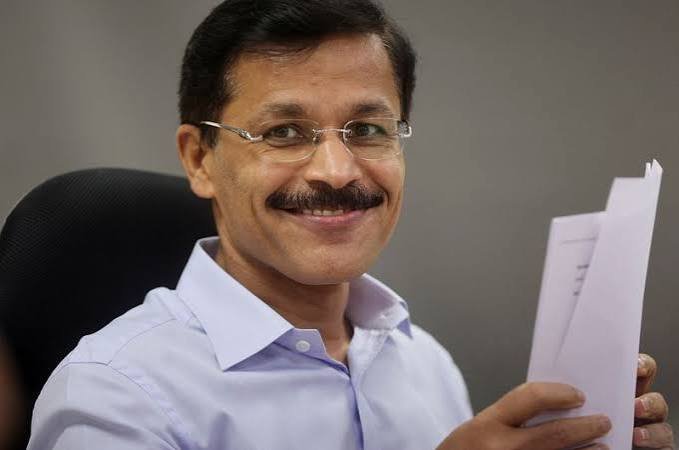
Mumbai: An Indian food safety commissioner has launched a sweeping crackdown on food businesses in Mumbai, conducting more than 3,000 inspections since taking charge in May and suspending licences at several outlets over alleged hygiene and food safety violations.
Tukaram Mundhe, commissioner of Maharashtra’s Food and Drug Administration, has targeted restaurants, hotels, cricket clubs, street vendors and grocery warehouses as part of the campaign, with authorities reporting findings including cockroaches, rats, poor hygiene and expired food.
What Has the Mumbai Food Safety Crackdown Found?
Mundhe’s teams have suspended the permits of four pizza outlets in recent weeks and taken action against several other businesses. Inspections have also extended to court canteens after a Mumbai judge questioned whether government facilities were being subjected to the same scrutiny as private businesses.
Government data cited by Reuters shows Indian food inspectors have tested more than 100,000 food samples annually since 2020, with about 20% found to be unsafe, substandard or improperly labelled. Nearly 8,000 food business licences have reportedly been cancelled over the past three years.
The crackdown has also affected Mumbai’s street-food sector. Authorities have prohibited the use of newspapers to package vada pav, while some vendors have changed ingredients, cooking practices and hygiene procedures following inspections.
Why Are Mumbai Businesses Challenging the Crackdown?
While Mundhe has gained public support for his tough approach, some businesses have accused the food safety department of high-handedness and argued that establishments should be given adequate time to comply with regulations.
Some affected businesses have approached the High Court. In one case, the court fined the department 500,000 rupees after an eatery’s suspension continued despite improvements in compliance.
Mundhe has defended the campaign, saying food safety regulations are intended to protect public health and that businesses failing to comply will face regulatory action.