

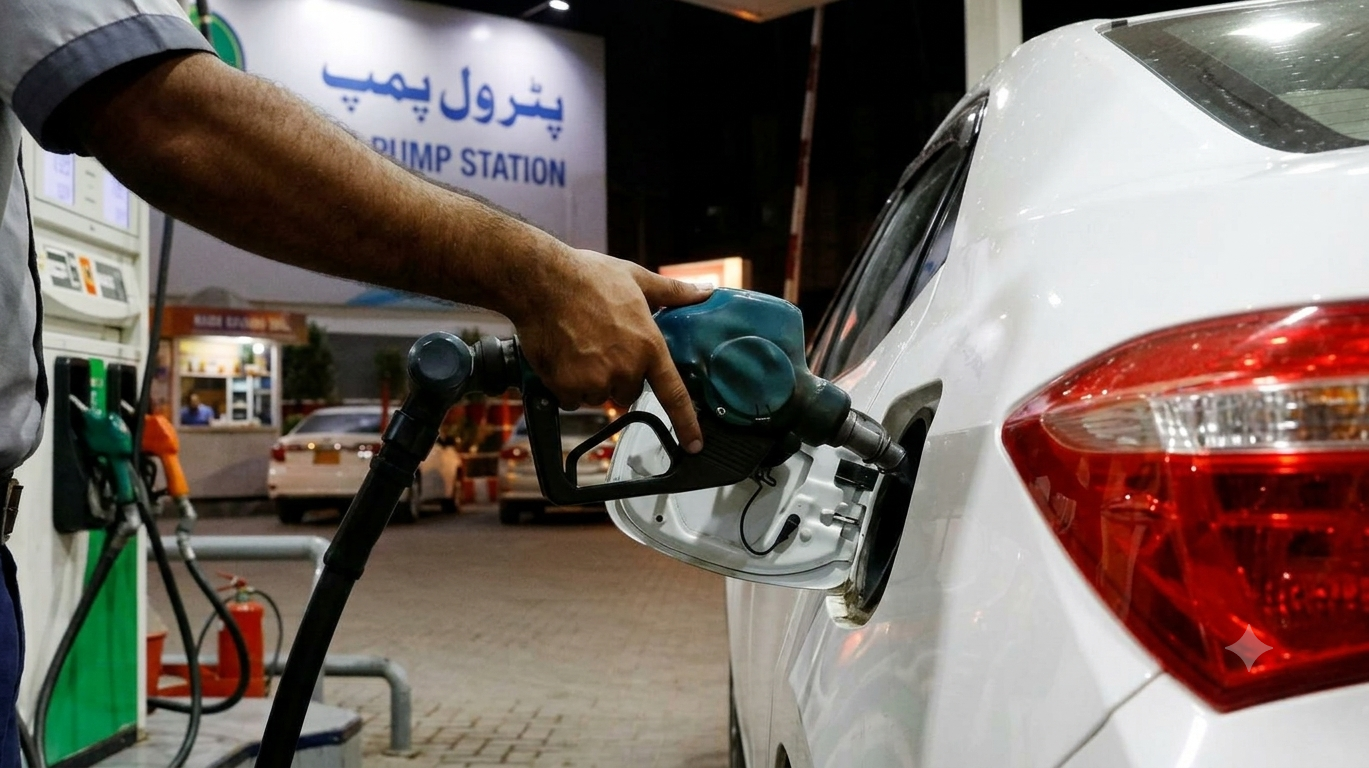
OGRA lowers petrol by 12 paisas and diesel by 66 paisas per litre as revised rates take effect from August 1 to August 3.
The Oil and Gas Regulatory Authority (OGRA) has marginally reduced the prices of petroleum products for a three-day period, with the revised rates taking effect from August 1 to August 3 under Pakistan’s newly introduced daily fuel pricing mechanism.
According to an official notification, the price of petrol has been reduced by 12 paisas per litre to Rs336.03, while high-speed diesel (HSD) has been cut by 66 paisas per litre to Rs392.38.
The price of kerosene oil has also been lowered by Rs1.22 per litre, bringing it down from Rs306.44 to Rs305.22.
The changes reflect adjustments based on movements in international oil prices under the government’s new pricing framework.
What are the new fuel prices?
Under the revised rates effective from August 1 to August 3:
| Product | Previous Price (Rs/litre) | New Price (Rs/litre) | Change |
|---|---|---|---|
| Petrol | 336.15 | 336.03 | -0.12 |
| High-Speed Diesel | 393.04 | 392.38 | -0.66 |
| Kerosene Oil | 306.44 | 305.22 | -1.22 |
The government introduced the daily review mechanism to allow domestic fuel prices to reflect international market fluctuations more quickly.
How does the new pricing mechanism work?
Under the cabinet-approved framework, OGRA determines ex-depot prices using the average international market prices recorded over the previous seven days.
The regulator is authorised to notify daily petrol and diesel prices without requiring prior approval from the prime minister or the federal government. However, prices announced on Fridays remain unchanged on Saturdays and Sundays.
Petroleum Minister Ali Pervaiz Malik has said the new system aligns Pakistan’s fuel pricing with international standards while improving transparency.
The framework also revises fuel import arrangements for fiscal year 2026-27. High-speed diesel imports will be handled exclusively by Pakistan State Oil (PSO), while oil marketing companies may import petrol according to their market shares. Companies that fail to meet import or upliftment obligations could face restrictions on future import permissions for up to nine months.
The government shifted from a fortnightly pricing system to weekly reviews earlier this year before adopting daily revisions amid heightened volatility in global oil markets linked to renewed tensions in the Middle East.