

JUBA: South Sudan marked the 15th anniversary of its independence on Wednesday, with the world’s youngest nation facing continuing insecurity, economic hardship and a stalled peace process despite the end of its civil war.
After gaining independence from Sudan in 2011, the country descended into a civil war between 2013 and 2018, leaving hundreds of thousands dead and millions displaced.
What Challenges Does South Sudan Continue to Face?
Despite the 2018 Revitalised Agreement on the Resolution of the Conflict in South Sudan (R-ARCSS), analysts say implementation of the peace deal has been slow, leaving many citizens without access to essential services.
Communities across the country continue to face intercommunal violence, cattle raids, revenge attacks and killings by unidentified armed groups, while access to healthcare, education and clean water remains severely limited.
Women’s rights advocates also say commitments under the peace agreement, including a 35 per cent quota for women’s representation, have yet to be fully implemented.
How Severe Is the Humanitarian Situation?
Humanitarian agencies warn that conflict, climate-related disasters and the arrival of more than 1.2 million returnees and refugees fleeing the war in neighbouring Sudan have significantly increased humanitarian needs.
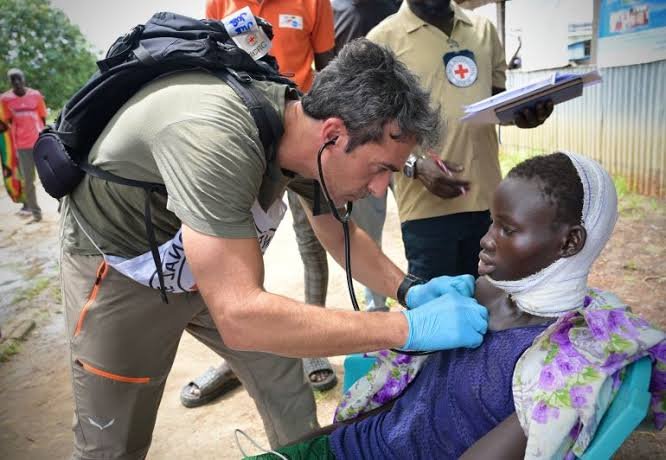
The International Committee of the Red Cross (ICRC) said it conducted 266 medical evacuations during the first six months of 2026, a 50 per cent increase compared with the same period last year.
The organisation said hospitals are operating beyond capacity while insecurity, poor infrastructure and seasonal flooding continue to restrict humanitarian access.
Why Is the Peace Process Under Pressure?
Experts say implementation of the 2018 peace agreement remains significantly behind schedule, with less than 25 per cent of its provisions completed.
Delays in security sector reforms, weak state institutions, financial constraints and continued displacement have slowed the country’s political transition.
Localised violence in Upper Nile and Jonglei states continues to fuel instability and undermine public confidence in state institutions.
What Lies Ahead for South Sudan?
South Sudan is scheduled to hold its first post-independence general elections on December 22, 2026.
Political analysts say credible elections will depend on full implementation of the peace agreement, constitutional reforms, improved security and voter education.
While government officials maintain that stability is gradually improving, many South Sudanese continue to face rising inflation, unemployment, unpaid public-sector salaries and widespread displacement.
Fifteen years after independence, the country continues to struggle with the challenges of delivering lasting peace, effective governance and economic recovery.