

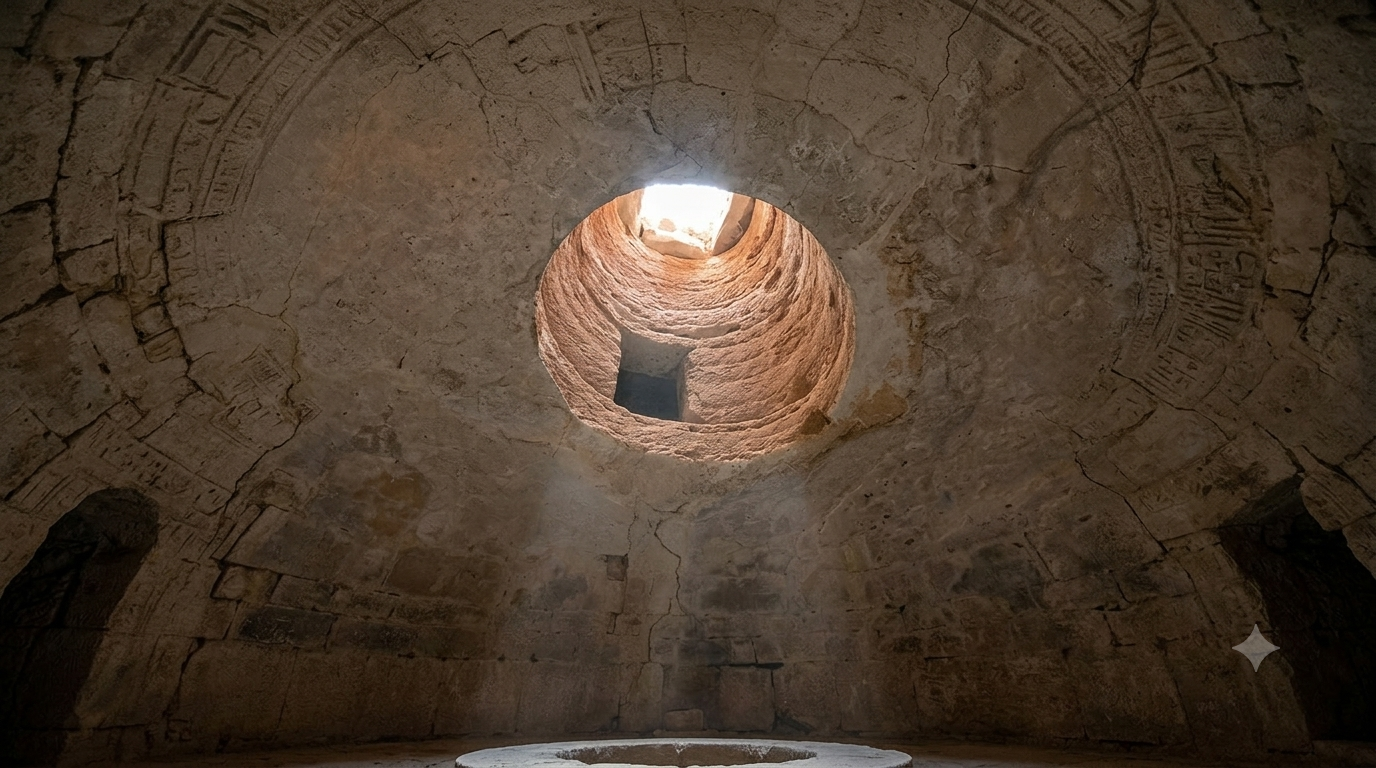
CAIRO: Egyptian archaeologists have uncovered a series of 2,000-year-old rock-cut tombs along the country’s Mediterranean coast and the remains of a Byzantine-era settlement in the Western Desert, the Ministry of Tourism and Antiquities has announced.
The discoveries, made during separate excavation missions, offer new insights into burial practices and daily life in Egypt during the Ptolemaic, Roman and Byzantine periods.
What was found at the coastal burial site?
The excavation along Egypt’s northern coast revealed several rock-cut tombs dating back approximately 2,000 years.
According to the ministry, the burial complex contains human remains, funerary architecture and artefacts that archaeologists believe will help researchers better understand the customs, social structure and burial traditions of communities living in the region during the Ptolemaic and Roman eras.
What was discovered in the Western Desert?
A separate archaeological mission uncovered the remains of a Byzantine-era settlement in Egypt’s Western Desert.
Researchers identified residential buildings, service facilities and architectural remains believed to date to the Byzantine period, providing evidence of organised settlement and economic activity in what is now an arid region.
Archaeologists said the discovery could improve understanding of how communities adapted to desert environments and managed trade and agriculture during the Byzantine era.
Why are the discoveries significant?
Officials said the findings contribute to a growing body of archaeological evidence documenting Egypt’s diverse historical periods beyond the Pharaonic era.
The newly discovered sites are expected to provide researchers with valuable information about settlement patterns, religious practices and everyday life across different periods of Egyptian history.
What happens next?
Egypt’s Ministry of Tourism and Antiquities said excavation, conservation and scientific study of both sites will continue.
Experts will examine the human remains, artefacts and architectural features to establish more precise dates and gain further insight into the historical significance of the discoveries before additional findings are announced.