

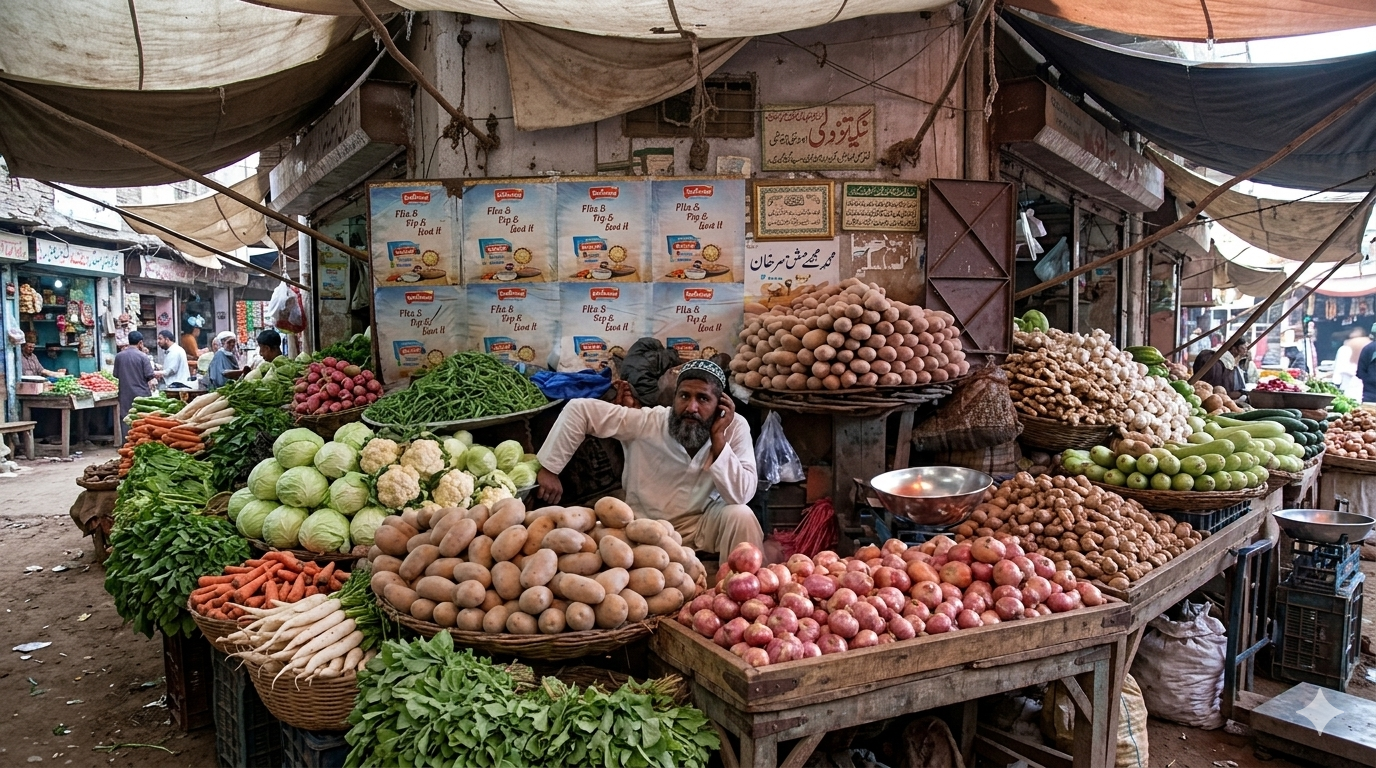
Islamabad: Pakistan’s annual inflation rate surged to 14.52% during the latest reporting period, driven primarily by sharp increases in fuel, electricity, transport, and food prices, adding further pressure on households already struggling with rising living costs and economic uncertainty.
According to official data cited in a report by Dawn, inflation accelerated significantly compared to previous months as the government’s energy price adjustments and market shortages pushed the cost of essential commodities higher across the country.
The report stated that food and fuel remained the biggest contributors to inflationary pressure, with prices of petrol, diesel, electricity, cooking oil, pulses, wheat products, sugar, vegetables, and transportation recording substantial increases.
Urban and rural consumers both experienced notable increases in household expenditures, particularly lower- and middle-income families whose budgets are heavily dependent on essential food items and transport costs.
Economists warned that sustained inflation at current levels could further weaken consumer purchasing power and deepen financial stress among vulnerable segments of society.
The rise in fuel prices has had a cascading impact on multiple sectors of the economy, increasing transportation and logistics costs that are ultimately passed on to consumers through higher retail prices.
Analysts also linked the inflation spike to broader regional and international developments, including volatility in global oil markets and disruptions caused by ongoing geopolitical tensions in the Middle East.
Pakistan’s inflationary environment has remained unstable despite government efforts to stabilise the economy under reforms linked to the International Monetary Fund (IMF) programme.
Recent adjustments in electricity tariffs, gas prices, and petroleum levies have contributed significantly to the overall increase in the Consumer Price Index (CPI).
Financial experts said inflation continues to pose one of the most serious economic challenges for the government, especially as wages and income growth have failed to keep pace with rising living costs.
The continued depreciation pressure on the Pakistani rupee, coupled with import costs and taxation measures, has also contributed to higher prices for consumer goods and industrial inputs.
Business groups and trade bodies have repeatedly expressed concern over the impact of inflation on economic activity, warning that sustained price hikes could reduce consumer spending and weaken industrial growth.
Meanwhile, ordinary citizens across Pakistan continue to face increasing difficulties in managing daily expenses, particularly in urban centres where utility bills and transport fares have risen sharply over recent months.
Economic observers say future inflation trends will largely depend on fuel price movements, currency stability, government fiscal policies, and developments in international commodity markets.