

Close Menu

    Subscribe to Updates

    Get the latest creative news from FooBar about art, design and business.

    What's Hot

    UKMTO Reports Vessel Seizure Near UAE’s Fujairah, Ship Directed Toward Iranian Waters

    May 14, 2026

    India Seeks Extension of US Waiver on Russian Oil Imports Amid Persian Gulf Conflict

    May 14, 2026

    Iran Urges BRICS to Condemn US, Israel Over Alleged International Law Violations

    May 14, 2026
    Facebook X (Twitter) Instagram
    Trending
    • UKMTO Reports Vessel Seizure Near UAE’s Fujairah, Ship Directed Toward Iranian Waters
    • India Seeks Extension of US Waiver on Russian Oil Imports Amid Persian Gulf Conflict
    • Iran Urges BRICS to Condemn US, Israel Over Alleged International Law Violations
    • River Networks, International Norms, and the Disputes
    • SKIMS Faces Lawsuit Over Alleged Wage and Labour Violations in California
    • Prof Dr Sarwar Muhammad Khawaja Awarded Sitara-e-Imtiaz at Islamabad Ceremony for Contributions to Education and Innovation
    • Bordeaux Authorities Lift Partial Lockdown on Cruise Ship After Confirming Viral Gastrointestinal Outbreak
    • Netanyahu Confirms ‘Secret’ Meeting With UAE President Amid Iran War and Regional Security Tensions
    Facebook X (Twitter) Instagram
    echoasianews.com
    • Home
      • Fact Check
      • War Updates
    • World News
    • Local News
    • Opinion
    • Business
    • Entertainment
    • Sports
    • Politics
    • Technology
    echoasianews.com
    Home»Technology»Nvidia H200 Chip Sales to China Stall Despite US Export Approvals Amid Intensifying Tech Rivalry
    Technology

    Nvidia H200 Chip Sales to China Stall Despite US Export Approvals Amid Intensifying Tech Rivalry

    EchoAsiaNewsBy EchoAsiaNewsMay 14, 2026No Comments4 Mins Read
    Facebook Twitter Pinterest LinkedIn WhatsApp Reddit Tumblr Email
    Share
    Facebook Twitter LinkedIn Pinterest Email

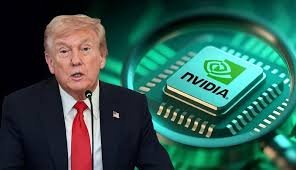
    The United States has cleared around 10 Chinese companies to purchase Nvidia’s second-most powerful AI chip, the H200, but no shipments have been delivered so far, leaving the arrangement effectively stalled, according to multiple sources familiar with the matter. The development has created uncertainty around a major technology deal, even as Nvidia CEO Jensen Huang seeks to advance discussions during high-level US–China engagements in Beijing.

    Sources said Huang joined the Beijing trip after an invitation from US President Donald Trump, despite not being initially listed in the official White House delegation. One source stated Trump met Huang during a stopover in Alaska while en route to the summit with Chinese President Xi Jinping, a move that raised expectations of progress on resolving the stalled chip sales issue.

    The US Commerce Department has reportedly approved Chinese tech firms including Alibaba, Tencent, ByteDance, and JD.com to purchase Nvidia’s H200 chips under export licensing arrangements. A number of intermediaries, including Lenovo and Foxconn, have also been authorised to facilitate sales. Under the licensing framework, each approved customer may purchase up to 75,000 chips, either directly from Nvidia or through approved distributors.

    Despite these approvals, no completed transactions or deliveries have taken place. Sources said Chinese companies have been reluctant to proceed following guidance from Beijing, while internal policy uncertainty in China has further slowed procurement decisions. One source noted that pressure has increased within China to either block or strictly vet purchases of advanced US AI chips.

    The US Department of Commerce, which oversees export controls, declined to comment. Chinese government bodies, including the Ministry of Industry and Information Technology and the National Development and Reform Commission, also did not respond to requests for comment. Lenovo confirmed its inclusion among approved sellers, while Nvidia and several major Chinese tech firms also declined to comment.

    The stalled rollout highlights intensifying US–China competition in advanced semiconductors. Before tighter US export restrictions, Nvidia held approximately 95% of China’s advanced chip market, with China previously accounting for around 13% of its revenue. CEO Jensen Huang has previously estimated that China’s AI market alone could reach $50 billion annually.

    According to sources, China’s hesitation reflects a broader strategic calculation, as Beijing seeks to reduce reliance on foreign semiconductor technology and accelerate domestic AI chip development. Companies such as Huawei and emerging AI developers like DeepSeek are increasingly being positioned as alternatives to Nvidia’s hardware in China’s domestic ecosystem.

    The approval framework for H200 exports includes strict conditions. US regulations issued earlier in the year require Chinese buyers to demonstrate adequate security safeguards and confirm that the chips will not be used for military applications. Nvidia is also required to certify sufficient inventory availability in the United States before shipments proceed.

    The arrangement also includes a controversial financial structure under which the US government receives 25% of revenue from chip sales, requiring shipments to transit through US-controlled channels. The mechanism, designed to comply with export law limitations, has raised concerns in Beijing over potential security risks and supply chain dependence.

    Commerce Secretary Howard Lutnick has previously stated that Chinese authorities have not yet permitted companies to proceed with purchases, citing Beijing’s preference to prioritize domestic semiconductor development. In parallel, Chinese regulators have intensified scrutiny of foreign technology dependencies through new supply chain security regulations.

    The delay has also drawn political attention in Washington, where critics argue that expanded sales could weaken US technological advantage in artificial intelligence. Analysts warn that continued restrictions or delays underscore the growing fragmentation of the global semiconductor supply chain amid escalating US–China strategic competition.

    Nvidia CEO Jensen Huang has publicly cautioned that export restrictions are eroding the company’s position in China, noting that its share of the country’s AI accelerator market has effectively declined to near zero under current conditions.

    Despite US approval, regulatory complexity, political sensitivity in Beijing, and unresolved security concerns have collectively prevented the execution of any H200 chip sales to China, leaving the agreement in a state of prolonged uncertainty.

    Share this:

    • Share on Facebook (Opens in new window) Facebook
    • Share on X (Opens in new window) X

    Like this:

    Like Loading…
    AI chips Export Controls H200 chips Nvidia semiconductors trade restrictions US–China relations
    Share. Facebook Twitter Pinterest LinkedIn Tumblr Telegram Email
    EchoAsiaNews
    EchoAsiaNews
    • Website

    Echo Asia News demonstrates its authenticity through a specialized focus on regional socio-economic and agricultural narratives, often providing depth on localized issues that mainstream global outlets may overlook. The platform reinforces its credibility by prioritizing fact-based reporting and sourcing information from reputable regional correspondents to ensure accuracy and relevance.

    Related Posts

    US and China Hold High-Stakes Beijing Summit as Trade Progress and Taiwan Tensions Dominate Talks

    May 14, 2026

    EU Court Upholds Compensation Rule for News Snippets in Meta Case

    May 12, 2026

    Pakistan IT Exports Projected to Reach $4.6 Billion as Digital Expansion Accelerates

    May 12, 2026
    Leave A Reply Cancel Reply

    Don't Miss
    World News
    World News

    UKMTO Reports Vessel Seizure Near UAE’s Fujairah, Ship Directed Toward Iranian Waters

    By EchoAsiaNewsMay 14, 202601 Min Read

    United Kingdom: The United Kingdom Maritime Trade Operations (UKMTO) has reported an incident involving a…

    Share this:

    • Share on Facebook (Opens in new window) Facebook
    • Share on X (Opens in new window) X

    Like this:

    Like Loading…

    India Seeks Extension of US Waiver on Russian Oil Imports Amid Persian Gulf Conflict

    May 14, 2026

    Iran Urges BRICS to Condemn US, Israel Over Alleged International Law Violations

    May 14, 2026

    River Networks, International Norms, and the Disputes

    May 14, 2026

    Subscribe to Updates

    Get the latest news from echoasianews.

    Stay In Touch
    • Facebook
    • Twitter
    • Instagram
    • WhatsApp
    About Us
    About Us

    We cover a wide range of topics including World News, Business & Economy, Crypto, Entertainment, Politics, Sports, and Technology, ensuring our audience stays informed about both regional and international developments.
    We're accepting new partnerships right now.

    Email Us: social@echoasianews.com

    Facebook X (Twitter) Pinterest YouTube WhatsApp
    Our Picks

    UKMTO Reports Vessel Seizure Near UAE’s Fujairah, Ship Directed Toward Iranian Waters

    May 14, 2026

    India Seeks Extension of US Waiver on Russian Oil Imports Amid Persian Gulf Conflict

    May 14, 2026

    Iran Urges BRICS to Condemn US, Israel Over Alleged International Law Violations

    May 14, 2026
    Categories
    • Blog
    • Business & Economy
    • Entertainment
    • Fact Check
    • Local News
    • Opinion
    • Politics
    • Sports
    • Technology
    • War Updates
    • World News
    Meet Our Team
    • Editorial Board
    © 2026 . All Rights Reserved EchoAsiaNews.

    Type above and press Enter to search. Press Esc to cancel.

    %d