

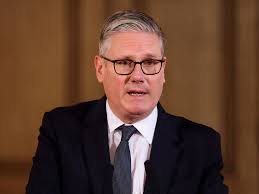
British Prime Minister Keir Starmer is facing mounting internal pressure after senior members of his cabinet and dozens of Labour MPs reportedly urged him to consider setting out a timeline for his departure, according to a report by The Times newspaper.
The report said UK Interior Minister Shabana Mahmood, Foreign Secretary David Lammy, and several other senior ministers have privately raised concerns about Starmer’s leadership following poor results for the Labour Party in recent local and regional elections.
The pressure comes as Starmer has publicly vowed to remain in office and “prove doubters wrong,” despite growing calls for him to step down after Labour suffered significant losses, including gains by opposition parties such as Reform UK and the Greens.
According to reports, more than 60 Labour MPs out of 403 have expressed dissatisfaction with his leadership, with some arguing that the prime minister has failed to restore public confidence or deliver promised reforms. Four government aides have also resigned, with some openly calling for a leadership change.
Among those who stepped down, Joe Morris, former parliamentary private secretary to Health Secretary Wes Streeting, said on social media platform X that Starmer “no longer has the trust or confidence of the public.” Others, including aides linked to Environment Secretary Emma Reynolds and Deputy Prime Minister David Lammy, also cited a loss of authority and public confidence.
Under Labour Party rules, a leadership challenge would require the support of at least 81 MPs, or 20% of the parliamentary party, potentially triggering an internal contest.
The internal tensions follow Labour’s poor electoral performance, which saw the party lose ground in Wales and Scotland and suffer setbacks to both Reform UK and the Green Party. The results have intensified debate within the party over strategy, leadership direction, and policy priorities.
Starmer, who became prime minister in July 2024 after Labour’s landslide victory ended 14 years of Conservative rule, has faced criticism over economic stagnation, cost-of-living pressures, and several political controversies. His tenure has also been marked by internal disputes, including the fallout over the appointment and later dismissal of Peter Mandelson as UK ambassador to Washington following reports linking him to convicted financier Jeffrey Epstein.
Despite internal dissent, Starmer has rejected calls for resignation and pledged to pursue a more ambitious policy agenda, including reforms in economic growth, energy policy, and relations with Europe. In a recent speech, he acknowledged public dissatisfaction but said he would not step down, warning against a return to political instability.
Cabinet-level figures, including Deputy Prime Minister Angela Rayner and Health Secretary Wes Streeting, have been cited as potential future leadership contenders, though no formal challenge has yet been launched.
Labour leadership speculation continues to grow as internal divisions deepen, with some MPs reportedly pushing for a clearer timetable for leadership decisions later this year.