

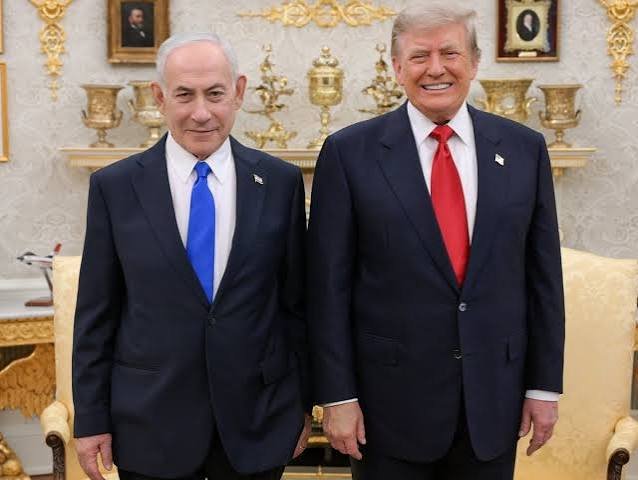
United States: US President Donald Trump has sought to downplay growing speculation of tensions with Israeli Prime Minister Benjamin Netanyahu, insisting that relations between the two leaders remain “very good” despite Israel’s rejection of a US-backed Gaza peace initiative. Speaking at the White House, Trump dismissed concerns over the diplomatic disagreement after Netanyahu publicly opposed the proposal, which called for a phased Israeli military withdrawal from Gaza alongside the disarmament of Hamas.
The rejection marks the clearest divergence between Washington and Jerusalem since the United States unveiled its latest ceasefire framework. Netanyahu’s stance comes as he faces mounting political pressure ahead of Israel’s October 27 elections, with polls indicating that the Gaza proposal is deeply unpopular among his right-wing supporters. Far-right coalition partners have also urged the Israeli government to abandon the plan.
US-Israel Differences Deepen Over Gaza and Regional Strategy
While Trump reaffirmed the strength of US-Israel ties, recent developments highlight growing policy differences between the two allies. The leaders previously aligned during military action against Iran, but later diverged after Trump pushed for a ceasefire and a negotiated settlement to contain regional instability and rising global oil prices.
The Gaza proposal forms part of a broader US-mediated ceasefire process announced in October aimed at reducing hostilities. However, fighting has continued despite the agreement. According to Gaza’s health ministry, more than 1,250 Palestinians have been killed since the ceasefire took effect, while the Israeli military has reported five soldier fatalities during the same period.
The public disagreement over Gaza underscores the increasing challenges facing US diplomatic efforts in the Middle East, as domestic political calculations in Israel and unresolved security concerns continue to complicate prospects for a lasting ceasefire.