

DUBAI: Attacks on commercial vessels and energy infrastructure have intensified in and around the Strait of Hormuz, threatening oil supplies and raising environmental and security concerns across the Gulf.
A total of 37 ships were attacked in October, the highest monthly figure since the war began, according to data from the Washington Institute for Near East Policy.
The latest attacks come as markets respond to signs that the United States and Iran could be moving towards de-escalation. Crude prices fell to two-month lows on Tuesday after US officials played down the need for further military action against Iran and President Donald Trump adopted a more conciliatory tone following the November 3 midterm elections.
Despite the diplomatic signals, attacks on shipping have continued.
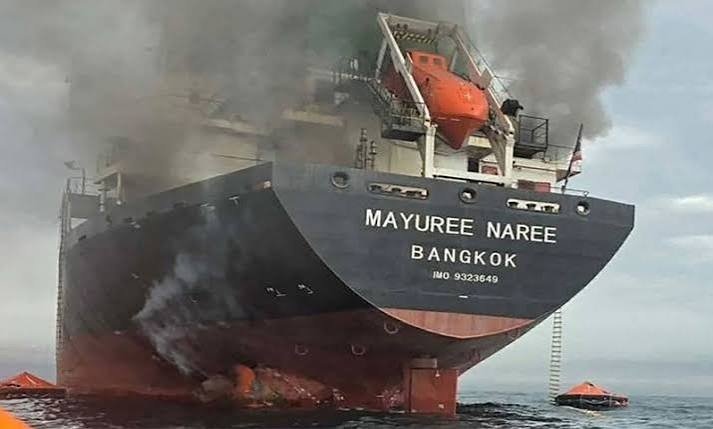
Videos verified by Reuters showed the Singapore-flagged refined-products tanker Navig8 Messi on fire off Oman’s coast on Sunday. Satellite imagery from the European Union’s Copernicus Sentinel-2 programme showed a large plume of black smoke rising from the area.
Iranian state broadcaster IRIB reported that the vessel was among three tankers targeted for using what the Islamic Revolutionary Guard Corps Navy described as “unauthorised routes” through the strait.
The incidents have added to growing pressure on commercial shipping through the strategic waterway, which normally carries a significant share of global oil and liquefied natural gas supplies.
US forces enforce blockade as vessels come under attack
US forces have also continued enforcing a naval blockade of Iranian ports. US Central Command said a US military aircraft fired on and disabled a St Kitts-flagged cargo vessel after it attempted to leave regional waters following a visit to an Iranian port.
The attacks have also raised concerns over oil pollution in Gulf waters. A video verified by Reuters showed oil reaching Oman’s shoreline, while satellite imagery indicated pollution off the coasts of Oman and the United Arab Emirates.
Energy infrastructure has also been targeted. Video verified by Reuters showed damage to a Saudi Aramco office building in Riyadh after missile strikes claimed by Yemen’s Houthi movement on November 8.
Saudi Arabia’s Energy Ministry said the building had been targeted in an attempted attack and that falling debris caused limited damage. No injuries or deaths were reported.
The maritime toll has continued to increase. The International Maritime Organisation said it had recorded 133 confirmed incidents involving commercial vessels in the region as of November 10, with 25 seafarers killed since the conflict began.
Thousands of crew members remain exposed to risks, including those aboard vessels unable to leave the Persian Gulf.
The IMO Council has called for greater protection of seafarers and urged countries to avoid actions that could endanger international shipping.
In the latest reported incident, a tanker was struck by an unidentified projectile about 19 nautical miles northeast of Oman’s Lima on Tuesday, according to the United Kingdom Maritime Trade Operations agency. The crew was reported safe and no environmental impact was recorded.
Iran’s Revolutionary Guards Navy separately said two tankers caught fire after striking naval mines while travelling through what it called an “unauthorised route” in the Strait of Hormuz.