

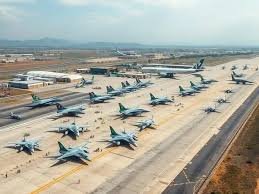
Pakistan’s Foreign Office on Monday categorically rejected a report by US-based media outlet CBS News regarding the alleged presence of Iranian aircraft at Nur Khan Airbase in Rawalpindi, calling the claims “misleading and sensationalised.”
In an official statement, the Foreign Office said the report was based on speculative narratives aimed at undermining ongoing regional peace and stability efforts.
The statement clarified that following the ceasefire and during the initial phase of the Islamabad Talks, several aircraft from both Iran and the United States arrived in Pakistan to facilitate the movement of diplomatic personnel, security teams, and administrative staff linked to the negotiations process.
According to the Foreign Office, some aircraft and support personnel remained temporarily in Pakistan after the initial round of talks in anticipation of future diplomatic engagements.
The FO further stated that although formal negotiations have yet to resume, senior-level diplomatic contacts have continued, including recent visits by Iranian Foreign Minister Abbas Araghchi to Islamabad, which were facilitated under existing logistical arrangements.
Rejecting any military interpretation of the aircraft presence, the statement stressed that the Iranian aircraft currently parked in Pakistan arrived during the ceasefire period and had “no linkage whatsoever to any military contingency or preservation arrangement.”
“Assertions suggesting otherwise are speculative, misleading, and entirely detached from the factual context,” the Foreign Office said.
The FO reiterated that Pakistan has consistently acted as an impartial and constructive facilitator in support of dialogue and de-escalation efforts in the region.
It added that Pakistan continues to provide routine logistical and administrative support where necessary while maintaining transparency and regular communication with all relevant stakeholders.
The statement concluded by reaffirming Pakistan’s commitment to supporting all sincere initiatives aimed at promoting dialogue, reducing tensions, and advancing regional and global peace, stability, and security.